Buying Guide
Power, CFM and PSI - how much output do you really need?
With 120V compressors the key electrical limit is available current, so focus on the compressor’s airflow (CFM) at the working pressure you care about and its maximum PSI. CFM determines whether a compressor can keep pneumatic tools running; PSI tells you the top pressure available for tasks like tire inflation or roofing nailers. Check the CFM rating at the pressure you’ll use most - not just the peak CFM - and compare it to your tool’s requirements.
- For framing and heavy pneumatic nailers you’ll want higher CFM and a larger tank; for inflating tires and running brad nailers lower CFM can be fine.
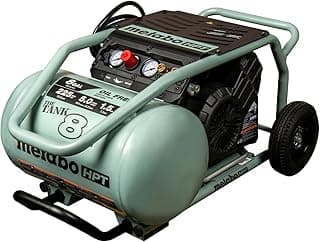
- If you need a compact but high-pressure option, consider models designed for higher PSI in a small package like the Metabo HPT THE TANK, which is built around a higher maximum PSI for demanding bursts of output.
Tank size, portability and how you’ll move it
Tank capacity affects how long you can run a tool before the motor cycles to refill. Smaller tanks are lighter and quicker to recover for intermittent tasks; larger tanks reduce motor cycling for continuous work. Consider weight, footprint and whether you need wheels or a handle if you’ll move the unit around a job site or store it in a small garage.
- 2-6 gallon pancake tanks are common for hobbyists and light contractors; larger 20-30 gallon tanks suit more continuous or heavy-duty use. Check our guide on best 20 gallon air compressor and best 30 gallon air compressor for options in larger tank sizes.
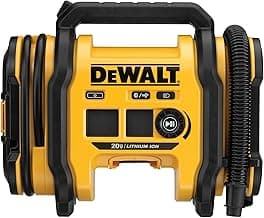
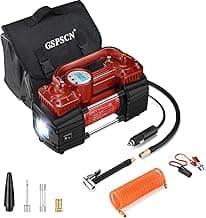
- If you need a portable inflator for roadside or occasional use, a multifunction inflator that runs from a 120V outlet or vehicle power can be very convenient - for example the compact BLACK+DECKER Tire Inflator works from an outlet, a 12V adapter and cordless battery (battery sold separately).
Noise level and day-to-day comfort
Noise matters if you work indoors, in a shared garage, or early/late on job sites. Look for published dBA ratings and compare them; oil-free, low-RPM motors and belt-less designs often run quieter. If decibel numbers are important, check real-world reviews in addition to manufacturer specs.
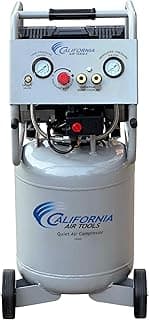
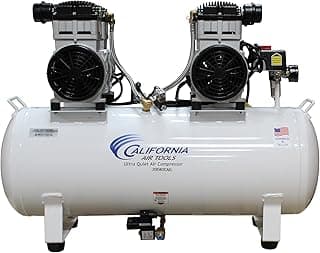
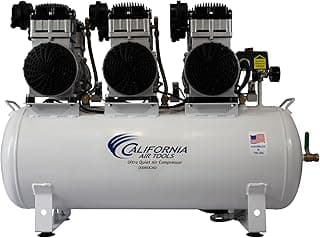
- Ultra-quiet models are available and can be significantly easier to live with in residential settings - for quiet operation, consider something like the California Air Tools 8010, which advertises low noise levels suitable for home use.
- Remember that noise increases under load; quieter compressors may still be loud when filling a large tank or powering a high-demand tool.
Durability, maintenance and serviceability
Think long term: tank material, pump lubrication type, and ease of maintenance affect reliability. Oil-lubricated pumps can last longer under continuous heavy use but require oil changes; oil-free pumps are lower maintenance and ideal for occasional or dirty environments. Look for accessible drain valves, replaceable filters, and clear manufacturer service policies.
- Inspect the tank and pump build (steel vs aluminum, welded seams) and check for corrosion protections or coatings.
- Confirm warranty terms and the availability of replacement parts or local service - this matters more for daily-professional use than for occasional homeowner tasks.
Match the compressor to your use case and overall value
Choose a compressor that fits the tools and frequency of use you expect. A compact 1-6 gallon unit is often best for light home shop tasks and tire inflation; a 6-30 gallon tank suits finish carpentry and moderate contractor work; and larger stationary units are for continuous heavy-duty jobs. Balance initial price against long-term operating costs, noise, maintenance and expected lifespan.
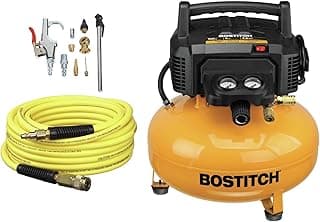
- If you want a dependable, jobsite-friendly pancake compressor with good value for finish and brad nailers, the common 6-gallon pancake design is a solid choice - many homeowners and pros favor models like the PORTER-CABLE 6-gallon pancake for that balance of portability and utility.
- Read real-world reviews for the best 110v air compressor options in your budget band to confirm recovery time, noise and durability meet your expectations before buying.
FAQ
What is the best 120V air compressor for home use?
For general home tasks like inflating tires, running brad nailers, and powering airbrushes, look for a versatile unit that runs on a standard 120V outlet and offers a decent tank size and quick recovery. A compact, multi-mode inflator can be handy for portability and occasional shop use - for example, the BLACK+DECKER Tire Inflator works from an outlet and also supports car power and battery operation. Prioritize reliable pressure control, easy gauges, and accessories for the tasks you do most. If you expect heavier or continuous use, choose a larger pancake or portable tank model instead of a handheld inflator.
How loud are 120V air compressors and which models run quietly?
Noisy compressors can make workshops unpleasant, so check the documented decibel level before buying if noise matters. Ultra-quiet models from companies like California Air Tools are designed for quieter operation and are a good option when you need low noise in a garage or home shop; the California Air Tools 8010 is an example marketed for quiet use. Expect quieter units to be more comfortable for indoor use, though they may trade off some flow or pressure compared with louder, high-output compressors. Always compare noise ratings and real-user feedback for a realistic expectation of sound in your workspace.
Can a 120V compressor run framing or roofing nailers?
Some 120V compressors can run framing or roofing nailers, but you need to match the tool’s required PSI and CFM to the compressor’s capability. Heavy-duty nailers often demand higher continuous CFM and pressure, so look for models built for construction use; for instance, the Metabo HPT "The Tank" lists higher PSI capability and is aimed at heavier nailing tasks. Always check the nailer’s required CFM at the working PSI and compare that to the compressor’s rated output to ensure consistent performance. If the compressor can’t sustain the CFM, you’ll get slow recovery between shots and reduced efficiency on the jobsite.
How often should I perform maintenance on an oil-free 120V air compressor?
Oil-free compressors need less routine maintenance than oil-lubricated units, but they still benefit from regular care to extend life and reliability. Drain the tank after each use or daily if used frequently to prevent moisture buildup, inspect hoses and fittings for leaks, and replace any air filters as they become dirty. Keep cooling fins and intake areas clean to avoid overheating, and follow the manufacturer’s schedule for valve or o-ring checks. These simple steps keep an oil-free unit running well for years without the need for oil changes.
Should I buy a portable cordless inflator or a 120V pancake/tank compressor?
Choose a portable cordless inflator if you prioritize mobility, quick tire inflation, and occasional use without needing continuous power; these are lightweight and handy for roadside or seasonal tasks. If you plan regular workshop work, finish carpentry, or need sustained airflow for tools, a 120V pancake or tank compressor like the PORTER-CABLE 6-Gallon Pancake provides steady output and larger capacity. Consider how often you’ll run tools, whether portability matters, and the compressor’s recovery time when making your choice. Balancing convenience and performance will get you the model that fits your typical projects best.
Final Verdict
After testing the top 120V models, the strongest compressors stood out through balanced tank size, reliable 120V power delivery, durable construction, and low-noise oil-free pumps-features that translated to faster refill times and longer service life. Buyers should prioritize true CFM at working PSI, tank capacity, noise level, portability and build quality. The best-performing units combined consistent delivery, quiet oil-free operation, and sturdy tanks for dependable, long-term use. For more on pressure options, also check out our best 200 psi air compressor guide to find compressors built for high-pressure needs.
🏆 Best Overall: BLACK+DECKER Tire Inflator Portable Air Compressor
💰 Best Budget: Metabo HPT EC914S THE TANK 6-Gallon Pancake Compressor
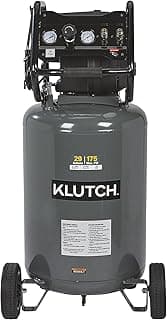
⭐ Best Premium: Klutch 29-Gallon 2.5 HP 120V Air Compressor