Buying Guide
Performance: PSI, CFM, and what you’ll run
With a 3‑gallon compressor the key performance numbers to compare are maximum PSI and the CFM (cubic feet per minute) delivered at working pressure. Peak PSI tells you the top pressure the tank can reach, while CFM at 90 PSI (or the tool’s rated pressure) determines whether a compressor will keep up with nailers, impact wrenches, paint sprayers, or inflators.
- For finish work and brad/finish nailers you only need modest CFM; many 3‑gallon units handle these tasks easily.
- If you plan to run framing nailers or continuous air tools, look for higher CFM and faster recovery-or consider a larger tank.
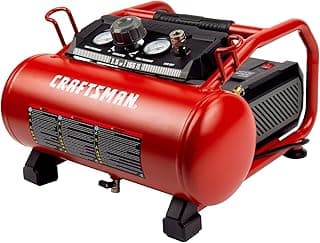
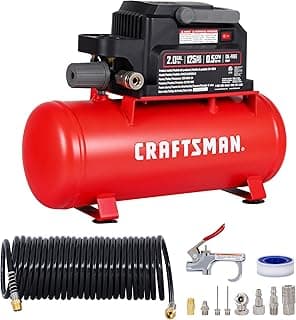
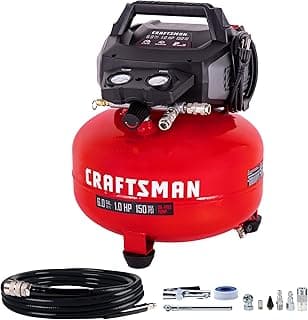
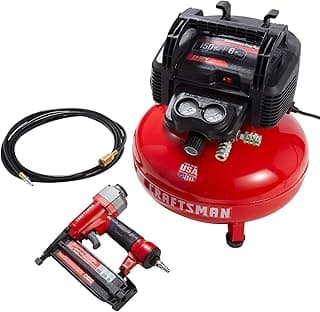
- Example: the Craftsman 3‑Gallon Hotdog Air Compressor lists higher PSI and a 2.6 CFM@90 PSI figure, which helps with intermittent use of higher‑demand tools.
Portability: size, weight, and carrying features
One of the main reasons to choose a 3‑gallon compressor is portability. Check overall weight, footprint, and whether the unit has a comfortable handle or built‑in wheels. A compact, well‑balanced pancake or hotdog design is easier to move around a jobsite or garage. For more options on compact compressors, see our best 6 gallon air compressor guide.
- Look for a low center of gravity and a wide base to prevent tipping during transport.
- If you’ll be carrying it frequently, test the handle position and grip comfort where possible.
- Consider whether the unit stores easily in a vehicle or workshop when not in use.
Noise level and motor characteristics
Noise can be a dealbreaker if you work in tight neighborhoods or shared spaces. Some 3‑gallon models are specifically engineered to run quieter, and oil‑free pumps tend to be lighter and require less maintenance but may run slightly louder depending on design.
- Quieter compressors are preferable for indoor or multifamily work. Look for product descriptions that mention “quiet” or a decibel rating.
- Brushless or well‑balanced motors can reduce vibration and perceived noise.
- Smaller compressors may pulse more as the motor cycles on and off-check real‑world reviews for noise impressions.
Maintenance and durability: oil‑free vs. oil‑lubricated
Maintenance needs affect long‑term value. Most 3‑gallon compressors are oil‑free for convenience-no oil changes and lower upkeep-while oil‑lubricated units can run cooler and last longer under heavy use but require regular service.
- Oil‑free models are ideal for hobbyists and light professional work because they’re low‑maintenance and ready to use.
- If you expect heavy, continuous use, prioritize rugged build quality, a stable pump design, and easy access to replaceable parts.
- For professional or frequent use, compare warranty length and the availability of replacement parts and service.
Value: accessories, warranty, and real‑world usability
Beyond specs, consider what comes in the box and how the compressor will be used day‑to‑day. Kits with hoses, fittings, and inflation adapters can save money and get you working immediately. Also weigh the warranty and how the compressor performs in actual user reviews.
- Accessories: a bundled kit can be useful for beginners-some 3‑gallon models include inflation needles, nozzles, and quick‑connect fittings.
- Warranty and customer support matter for repairs; longer coverage often signals manufacturer confidence.
- Example: the ECOMAX 3‑Gallon Portable Pancake Compressor ships with an 11‑piece accessories kit, which is helpful if you want a ready‑to‑use package at a lower upfront cost.
FAQ
What is the best 3 gallon air compressor for home DIY projects?
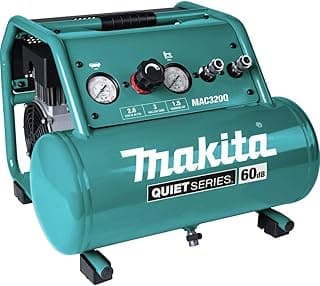
For light home projects like brad nailers, staplers, and inflating tires, look for a compact, oil-free unit that’s quiet and easy to move. A quiet 3‑gallon model with low maintenance and good build quality is usually the most practical choice for DIYers. If you want a solid example, consider the Makita MAC320Q, which is marketed as a compact, quiet oil-free compressor. Focus on portability, recovery time, and whether the unit meets your tools’ air requirements.
Can a 3 gallon air compressor run a finish nailer or a framing nailer?
Most 3‑gallon compressors can handle finish and brad nailers for short bursts because those tools use very little air per shot. Framing nailers typically need much more continuous CFM, so a 3‑gallon tank will struggle with sustained framing work and will have long recovery times. Check the nailer’s required CFM and the compressor’s CFM at 90 PSI before you buy. If you plan to do extended nailing, step up to a larger tank or a higher‑capacity compressor like those found in this best 10 gallon air compressor list.
How long do 3 gallon air compressors typically last?
Lifespan depends on build quality and how often you use the compressor; many home‑use units last several years with normal use. Oil‑free models reduce routine maintenance and are less likely to suffer oil‑related failures, while oil‑lubricated pumps can last longer if maintained properly. Regular tasks like draining the tank, checking fittings, and keeping the intake clean will extend life. Heavy daily professional use will shorten lifespan compared with occasional DIY use.
Oil-free vs oil-lubricated: which should I choose for a 3 gallon compressor?
Oil-free compressors are lighter, require less maintenance, and are a good match for a small 3‑gallon unit used infrequently. Oil‑lubricated pumps can run cooler and may last longer under heavy use, but they need regular oil checks and changes. For portable DIY or garage work, an oil‑free pancake style like the Ironton Oil‑Free Pancake is often more convenient. Choose oil‑lubricated only if you expect continuous, heavy duty use and are willing to keep up with maintenance. For a broader view of portable compressors, check our best 5 cfm air compressor recommendations.
How much assembly and maintenance does a 3 gallon air compressor require?
Most 3‑gallon compressors arrive nearly assembled-usually you just attach the regulator, hose fittings, and check the electrical hook‑up. Routine maintenance includes draining the tank after each use, inspecting hoses and fittings for leaks, and cleaning or replacing the intake filter as needed. If the unit is oil‑lubricated, follow the manufacturer’s oil change schedule; oil‑free models mainly need visual checks and drainage. Keep a basic routine log and you’ll reduce surprises and prolong the compressor’s life.
Final Verdict
The strongest 3‑gallon-capable compressors separated themselves by reliable pump performance, solid build quality, and practical ergonomics - weaker options skimped on duty cycle, CFM at working pressure, or noise control. Buyers should prioritize CFM@90 PSI, max PSI, oil‑free vs. oil‑lubricated design, tank recovery speed, portability (handles/wheels), and serviceability. Top performers shared rugged construction, efficient pressure recovery, low-to-moderate noise, and simple, durable controls that make them dependable for both shop and jobsite use. For insights on larger scale tanks, see our best 30 gallon air compressor and best 20 gallon air compressor guides.
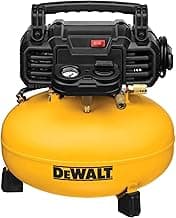
🏆 Best Overall: DEWALT Pancake Air Compressor DWFP55126 - 6 Gal, 165 PSI
💰 Best Budget: Makita MAC2400 Big Bore Air Compressor, 2.5 HP
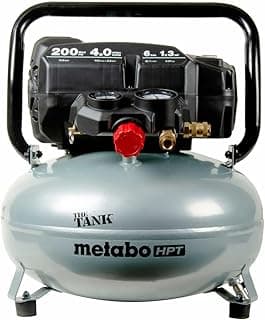
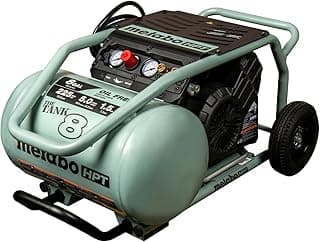
⭐ Best Premium: Metabo HPT EC914S THE TANK Pancake Air Compressor, 200 PSI