Buying Guide
Voltage and motor power: why choose a 220V model
When hunting for the best 220v air compressor, the primary advantage of a 220V unit is sustained power delivery for heavy or continuous tasks. A 220V motor typically runs cooler and can support larger pumps and higher CFM without tripping household circuits. Before buying, verify your shop’s wiring and breaker capacity and confirm whether the compressor is single- or three-phase.
- Consider a purpose-built 220V unit for shop-use tools like sanders, spray guns and impact wrenches.
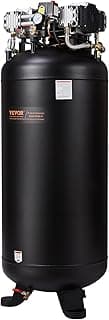
- If you need a clear 220V example, look at the VEVOR 20-Gallon Air Compressor (220V), which lists its voltage and higher-power motor specifically for heavier workloads.
Tank size, CFM and PSI: match the compressor to your tools
Tank gallons determine how long you can run between pump cycles, while CFM (or SCFM) at a given PSI tells you whether the compressor can supply enough air for your tool. PSI is the maximum pressure; many tools cite required CFM at around 90 PSI. Compare the compressor’s CFM at the PSI your tools need, not just the tank size.
- Small tanks (6-8 gal) work well for brad nailers and casual inflating; larger tanks (13-20+ gal) smooth out delivery for spray painting and continuous tools.
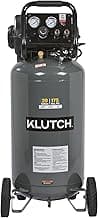
- Use spec examples to decide: some 20-gallon machines advertise higher CFM and pressure like the Klutch 20-Gallon Air Compressor, which emphasizes higher max PSI for demanding tasks.
- Prioritize the CFM@90PSI rating when comparing compressors for paint work or pneumatic tools. For a wider selection of options, see our guide on the best 20 gallon air compressor.
Duty cycle, oil-free vs oil-lubricated and maintenance
Duty cycle tells you how long the compressor can run before it needs to rest. For intermittent home use, an oil-free pump reduces maintenance and avoids oil contamination for paint work. For continuous industrial use, an oil-lubricated pump often offers longer life and cooler operation but requires regular oil changes and more upkeep.
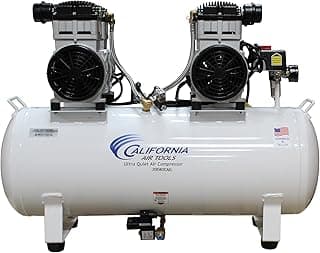
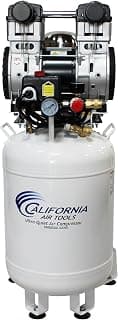
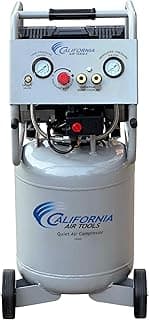
- Oil-free pumps are convenient for garage users and are typically lower maintenance-models like the California Air Tools 8010 advertise oil-free operation and quiet running.
- If your work involves long, continuous runs, check the manufacturer’s duty cycle percentage and maintenance schedule to avoid premature wear. For a broader look at maintaining electric units, consult the best electric air compressor reviews.
Noise, portability and workshop fit
Noise level and weight affect where and when you can run the compressor. If you work in a shared space or a home garage, look for models rated with lower dBA. Wheels and handles matter for moving the unit; a heavier tank can be fine if it stays stationary in a workshop.
- Around 60-70 dBA is considered quiet for shop compressors; some oil-free vertical and wheel-equipped models specifically target quieter operation.
- Consider footprint: pancake and small horizontal tanks (like many 6-8 gal models) are compact and easy to store, while 20-gallon tanks offer more capacity at the cost of portability.
Durability, warranty and value for money
Steel tanks, quality fittings, and accessible service parts extend a compressor’s life. Check tank certifications, manufacturer warranty terms, and replacement-part availability. Balance initial cost against expected service life and how often you’ll use the compressor-sometimes a higher upfront price is better value if it lasts longer with less maintenance.
- Look for reputable brands or models that publish clear specs and warranty coverage.
- For easy-to-use shop solutions, compare user reviews and build features such as wheel kits, braided hoses, and pressure gauges to judge real-world value.
FAQ
What are the advantages of a 220V air compressor over a 120V model?
220V compressors deliver higher sustained power and usually produce more CFM, which makes them better for continuous tasks like spray painting or running larger air tools. They also tend to run cooler and put less strain on the electrical system when sized correctly. The trade-offs are that they require a dedicated circuit and a proper 220V outlet, and they’re often heavier than portable 120V units. For hobby shops that need reliable performance, the extra installation effort usually pays off. For more on lower voltage options, see our review of the best 120v air compressor.
What size 220V air compressor do I need for a home workshop?
Match the compressor’s CFM at the working pressure to the tools you plan to run-small brad nailers need very little, while spray guns and sanders require much more sustained airflow. Tank size matters for duty cycles: 6-8 gallons can suit intermittent tasks, while 20+ gallons smooths pressure for longer runs like painting. If you want a versatile midrange option, consider a 20-gallon model such as the Klutch 20-Gallon Air Compressor, which balances capacity and footprint for many home shops. Always check tool CFM requirements and select a compressor with a bit of headroom.
Are 220V air compressors louder or harder to maintain?
Noise and maintenance depend on the specific design more than voltage: oil-free pumps are easier to maintain but some oil-lubricated units can run quieter and last longer when serviced. Look for advertised noise levels-for example, some ultra-quiet models list noise around 60 dBA, which is noticeably quieter in a garage setting. Regular tasks like draining the tank, changing filters, and checking belts keep any compressor running well regardless of voltage. If quiet operation is important, prioritize models that specify low dBA ratings and oil-free convenience.
How long do 220V air compressors typically last and how can I prolong their lifespan?
Lifetime varies widely-budget units might last a few years with light use, while well-built compressors can run a decade or more with proper care. Prolong lifespan by keeping the tank drained of moisture, following scheduled oil changes on lubricated pumps, cleaning or replacing intake filters, and avoiding frequent overloads. Store the compressor in a dry, temperate spot and inspect fittings and belts periodically for wear. Investing a little time in routine maintenance pays off with far fewer repairs and longer service life.
Do I need professional installation for a 220V air compressor?
Most 220V compressors require a dedicated circuit and the correct amperage breaker and outlet, so if you’re not comfortable with home electrical work it’s wise to hire a licensed electrician. Some portable 220V units simply plug into a properly installed receptacle, while larger shop compressors may need hardwiring. Using incorrect wiring or undersized breakers creates safety hazards and can damage the compressor. When in doubt, consult an electrician to confirm circuit capacity and safe placement before running the unit.
Final Verdict
As a seasoned reviewer, I found the strongest 220V compressors separated themselves by consistent CFM at working pressure, sturdy tank construction, and reliable regulators-plus low noise and oil-free designs for low maintenance. Buyers should prioritize rated CFM at 90 PSI, tank capacity, duty cycle, noise level, and service support. Top performers combined steady airflow, durable components, and simple controls, delivering predictable performance for both shop and jobsite use.
🏆 Best Overall: California Air Tools 8010 1.0 HP Ultra Quiet Oil-Free 8-Gallon
💰 Best Budget: VEVOR 20-Gallon 4HP Air Compressor 10.6 CFM (220V)
⭐ Best Premium: VEVOR 13-Gallon 2HP Air Compressor 4.6 SCFM 125PSI