Buying Guide
CFM and PSI: match the compressor to your tools
Two numbers matter most when choosing a 30‑gallon compressor: CFM (cubic feet per minute) and PSI (pounds per square inch). PSI determines the maximum pressure available; CFM tells you how much air the compressor can deliver continuously at a given PSI. High-demand tools like sanders, grinders and some spray guns require steady CFM at working pressure, so check the tool’s rated CFM at the PSI you’ll run it.
- Look for CFM ratings at 90 PSI-many tool specs use that benchmark.
- Consider peak vs continuous CFM: brief bursts are fine for nailers, steady CFM is needed for spray painting and sanding.
- Belt‑driven pumps typically give better sustained CFM for shop work-an example to consider is the Industrial Air 30‑Gallon Belt‑Drive Compressor, which is built with shop‑style performance in mind.
Motor, pump type and duty cycle
Decide whether you need a single‑stage or two‑stage pump, and whether a belt drive or direct drive suits your workload. Two‑stage compressors compress air in two steps and are better for higher pressures and continuous use. Belt‑driven units isolate the motor from the pump, reducing heat and allowing longer duty cycles.
- Duty cycle: expressed as a percentage-higher means the compressor can run longer between rests.
- Oil‑lubricated vs oil‑free: oil‑lubricated pumps often last longer under heavy use but need maintenance; oil‑free models are lower maintenance for light to moderate use.
- If you want professional‑style durability and two‑stage performance, consider a purpose‑built model like the Campbell Hausfeld 30‑Gallon Vertical Compressor, which offers dual‑voltage and a two‑stage pump for heavier tasks.
Tank configuration and portability
Not all 30‑gallon compressors have the same footprint. Vertical tanks save floor space and are common for stationary shop setups; horizontal tanks may be lower and easier to stow under benches. Consider wheels, handle design, and overall weight if you plan to move the unit around the garage or jobsite.
- Vertical tanks: compact footprint, good for tight shops.
- Horizontal tanks: lower center of gravity, sometimes easier to service or mount tools on.
- Look for rugged wheels and accessible drain valves to simplify maintenance and transport.
Noise level and maintenance needs
Noise matters if you work in a small shop or near living spaces. Lower decibel ratings make a big difference for comfort and safety. Maintenance considerations-like the presence of an accessible drain valve, easy‑to‑replace filters, and whether the pump is oil‑lubricated-will affect long‑term ownership costs and downtime.
- Check published dBA when possible; quieter models are worth it for frequent indoor use.
- Oil‑free pumps reduce routine maintenance but may have a shorter service life under heavy loads.
- Regularly drain condensation from the tank to prevent rust and failures.
Build quality, warranty and overall value
Examine materials (cast‑iron pumps vs lighter alloys), the quality of fittings and valves, and the brand’s support network. A longer warranty and easy access to replacement parts can make a higher upfront cost a better long‑term value. Read reviews for real‑world reliability and factor in installation needs like voltage requirements.
- Prefer compressors with durable fittings and a solid pressure switch and relief valve.
- Warranties and replacement‑part availability matter for shop use-serviceability reduces downtime.
- Balance initial price against expected maintenance and how well the compressor matches your tools and workload.
FAQ
What should I look for when choosing the best 30 gallon air compressor?
Match the compressor’s CFM at 90 PSI and maximum PSI to the tools you plan to run, since tank size alone doesn’t determine tool performance. Check motor power (HP), duty cycle, and whether the unit is single- or two-stage for continuous work. Consider portability and footprint-vertical 30-gallon tanks save floor space while horizontal models are often more stable. Finally, weigh noise level and whether you want oil-free (low maintenance) or oil-lubricated (longer life) depending on how often you’ll use it.
Are belt-driven 30-gallon compressors quieter and more durable than direct-drive models?
Belt-driven compressors typically run smoother and cooler, which can make them quieter and better suited for longer, repeated use compared with direct-drive units. They also separate the motor from the pump, often extending pump life and making repairs simpler. Direct-drive models are more compact and require less routine belt maintenance, so they can be a good choice if you need portability. If you want a belt-driven example, consider the Industrial Air 30-Gallon Belt-Driven Compressor.
Oil-free vs oil-lubricated: which is better for a 30 gallon air compressor?
Oil-free compressors are lower maintenance and good for occasional or hobby use, but they generally have a shorter service life than oil-lubricated pumps. Oil-lubricated units require regular oil changes and checks but usually tolerate heavier duty cycles and last longer in professional settings. Choose oil-free for convenience and light use; choose oil-lubricated if you need daily, continuous operation and plan to maintain the unit. Always follow the manufacturer’s maintenance schedule to maximize lifespan regardless of type.
What CFM and PSI should a 30 gallon compressor deliver for paint spraying and impact tools?
Most pneumatic impact tools work well with 4-7 CFM at 90 PSI, while common paint sprayers (especially turbine or HVLP systems) often need 6-12 CFM at lower pressures around 40-60 PSI depending on the spray gun. Check each tool’s rated CFM at the specified PSI and add a 20-30% buffer to avoid starving the tool during use. If a single 30-gallon unit can’t meet peak CFM needs, consider staging your work, using a larger compressor, or adding an auxiliary tank or secondary compressor.
How do I maintain a 30 gallon air compressor and how long can I expect it to last?
Drain the tank after each use to remove moisture, change oil and filters per the owner’s manual, inspect belts and hoses regularly, and keep the unit clean and well-ventilated. Proper maintenance can extend life significantly-many well-maintained compressors last 5-15 years or more, while heavier-duty professional units can go longer. Store the compressor indoors to avoid corrosion and follow scheduled service intervals. For a user-friendly 30-gallon vertical option that suits beginners and home shops, look at the Campbell Hausfeld 30-Gallon Vertical Compressor.
Final Verdict
After testing the field, the strongest 30‑gallon compressors stood out for reliable CFM delivery and fast pressure recovery, solid build quality, and quieter motors-features weaker options lacked. Buyers should prioritize CFM at 90 PSI, usable tank capacity, motor horsepower/duty cycle, noise level, and service/support. The best-performing units combined stable PSI under load, durable pumps and valves, clear controls, and practical portability, delivering consistent performance and long-term value for shop and DIY use.
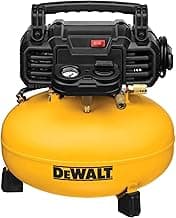
🏆 Best Overall: DEWALT Pancake Compressor DWFP55126, 6-Gal 165 PSI
For a broader perspective on compressors, you can also check out our detailed article on the best 60 gallon air compressor.
💰 Best Budget: VEVOR 13-Gallon Oil-Free Air Compressor, 125 PSI
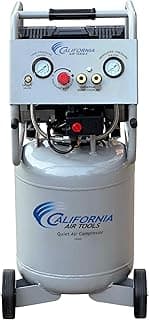
⭐ Best Premium: California Air Tools 20020 20-Gal Ultra Quiet Oil-Free
Also consider exploring the best 200 psi air compressor options for higher pressure needs.