Buying Guide
Performance: PSI, CFM and what your tools actually need
For a 6‑gallon compressor the two numbers that matter most are maximum pressure (PSI) and airflow (CFM) at a working pressure (usually 90 PSI). PSI determines whether you can reach the pressure a tool or tire requires; CFM determines how long you can run it before the motor cycles to refill the tank. Match the compressor’s rated CFM at 90 PSI to the continuous demand of your most demanding tool.
- Light duty (finish nailers, brad nailers, airbrushes): low CFM, short bursts.
- Medium duty (impact wrenches, framing nailers, inflating tires): moderate CFM - look for higher CFM ratings to avoid long recharge times.
- Spray painting or continuous air tools: requires sustained CFM; a 6‑gallon unit may be limiting for extended paint sessions.
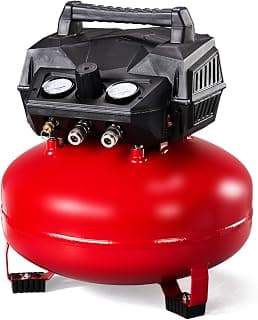
For an all‑around shop favorite that balances higher max pressure with portability, consider the DEWALT 6‑Gallon Pancake Air Compressor, which is often recommended when you need dependable refill performance for mixed tasks.
Noise and vibration: where quieter compressors help
Noise level matters if you’ll use the compressor in a garage attached to living space, a small workshop, or for long stretches. Look for decibel ratings and design features that reduce vibration (rubber feet, balanced pumps). “Quiet” models will be several dB lower than standard units, which makes a noticeable difference over time.
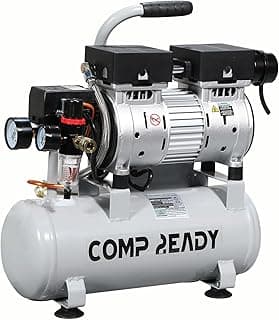
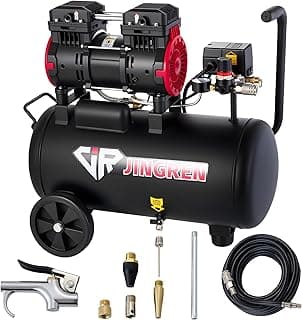
If low noise is a priority, the low‑decibel models-like quieter 5-6 gallon units advertising 60-70 dB operation-are worth the slight premium. The Quiet Air Compressor (68 dB) is an example of a compact, quieter unit designed for workshop use where sound control matters.
Portability and footprint: pancake vs hot‑dog tanks and weight
“6‑gallon” describes tank volume, not overall size. Pancake tanks are low and wide, offering a stable base and smaller footprint; hot‑dog tanks run lengthwise and can be longer but sometimes lighter. Consider how you’ll move and store the compressor:
- Weight and handle design - check whether the unit has a sturdy carry handle or rubberized grip.
- Footprint - pancake tanks stand up easily and fit under workbenches; long tanks may fit better in a truck bed.
- Accessories packaged with the unit (hose, gauge, adapters) reduce extra purchases and make the unit more portable for immediate use.
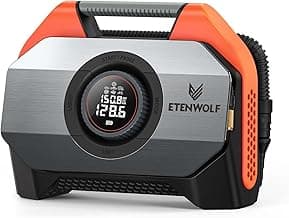
For a compact, multi‑purpose option that also works as a cordless companion for car owners, the CRAFTSMAN 3‑in‑1 Tire Inflator is a good value pick if portability and occasional roadside use are your main needs.
Durability and maintenance: oil‑free pumps, tank material and serviceability
Decide whether you want an oil‑free pump (lower maintenance, cleaner for air tools and painting) or an oil‑lubricated pump (often longer lasting under heavy, continuous use). For most home and small shop users, oil‑free compressors offer the best balance of reliability and minimal upkeep.
- Tank material and coatings - look for corrosion‑resistant finishes and welded seams; these extend tank life.
- Serviceability - check if parts (pressure switch, regulator, fittings) are user‑replaceable and easy to access. See more in our best 5hp air compressor guide for insights on durable compressor parts and maintenance tips.
- Duty cycle - a higher duty cycle means the motor can run longer before needing rest; important for repeated, heavy tasks.
Accessories, warranty and overall value
Compare what’s included (hose, inflation needles, blow guns, quick‑connect fittings) versus what you’ll need to buy separately. A 6‑gallon compressor bundled with a basic accessory kit can save money and be ready to use out of the box. Also weigh warranty coverage and brand support when assessing long‑term value.
Runner‑up packages that include hoses and accessory kits can be especially appealing for first‑time buyers who want a complete setup without extra purchases. Balance upfront price against expected lifetime use: a slightly pricier, quieter or more durable model often pays off if you’ll use it frequently. For broader options in various tank sizes and power levels, check our best 10 gallon air compressor reviews.
FAQ
What features should I look for in the best 6 gallon air compressor?
Prioritize the compressor's CFM at 90 PSI (to match your tools), maximum PSI, and whether it's oil-free (less maintenance) or oil-lubed (potentially longer lifespan). Check noise ratings and tank pressure recovery time if you'll be using tools continuously, and look for a compact, stable pancake design for easy storage and portability. Built-in regulators, quick-connect couplers, and included accessories can save time and money. For a solid all-around option that balances power and durability, consider the DEWALT Pancake Air Compressor.
How loud are 6-gallon compressors and does noise matter for home use?
Noise varies by model and motor design, and it matters if you work in a shared garage or inside the house-quieter models reduce fatigue and neighbor complaints. Look for compressors advertised as "quiet" and check decibel ratings when available; lower dB numbers are noticeably more pleasant for longer sessions. Small improvements like placing the unit on a rubber mat, moving it farther from your workspace, or using a muffler can cut perceived noise. If silence is critical, consider models that emphasize quiet operation or a slightly larger tank to reduce motor cycles.
Are expensive 6-gallon air compressors worth the extra cost?
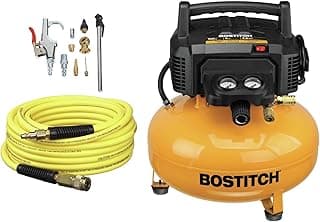
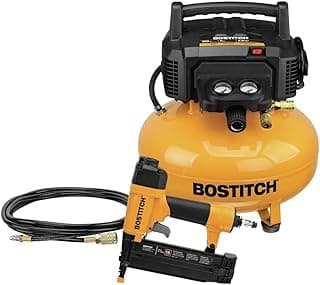
Higher-priced compressors often buy better build quality, more powerful motors, higher max PSI, longer duty cycles, and stronger warranties, which pay off if you use tools frequently or professionally. For occasional home projects a midrange or budget model can be perfectly adequate, but pros should invest in more durable units to avoid downtime. Accessories, serviceability, and brand reputation also affect long-term value. A reliable option with useful extras to consider is the Bostitch pancake kit, which bundles tools and fittings for convenience.
How long do 6-gallon air compressors typically last and what affects lifespan?
Life expectancy depends on build quality, usage frequency, maintenance, and whether the compressor is oil-free or oil-lubed; heavy daily use shortens lifespan compared with occasional DIY work. Regular maintenance-draining condensation, replacing filters, and following the manufacturer's service schedule-keeps components from corroding or wearing prematurely. Proper storage away from moisture and dust also helps, as does avoiding continuous operation beyond the unit's duty cycle. With basic care, a decent 6-gallon compressor can serve hobbyists for many years; pros should expect to replace or rebuild parts sooner under heavy loads.
How difficult is assembly and ongoing maintenance for a 6-gallon compressor?
Most pancake compressors arrive mostly assembled and require only attaching the regulator, fittings, and hose, so initial setup is usually straightforward and can be done in 15-30 minutes. For maintenance, routinely drain the tank after use, inspect hoses and fittings for leaks, and change oil or filters if the model requires it. Keep vents clear and follow the owner's manual for any belt or motor checks; simple preventative care prevents common failures. If you prefer low-maintenance gear, choose an oil-free model to avoid regular oil changes.
Final Verdict
Strong picks stood out for consistent CFM at working pressure, solid build quality, low noise and fast recovery rather than just headline tank size. Prioritize CFM at 90 PSI, maximum PSI, noise (dB), durability, portability, and useful accessories. The best-performing compressors combined dependable pressure delivery, rugged pancake or steel tanks, simple controls, and quiet, serviceable pumps that hold up in regular workshop use.
🏆 Best Overall: DEWALT Pancake Air Compressor DWFP55126 - 6 Gallon 165 PSI
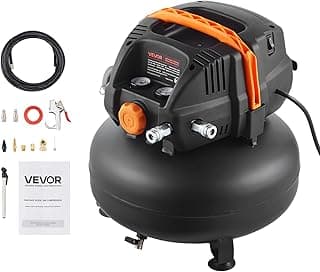
💰 Best Budget: VEVOR 6.3-Gallon Air Compressor - 3.35 CFM 116PSI
⭐ Best Premium: Quiet 5-Gallon Air Compressor - 68dB Oil-Free