Buying Guide
Match CFM and PSI to the tools you plan to run
When shopping for the best air compressor for air tools, the most important technical specs are CFM (airflow) and PSI (pressure). Instead of chasing the biggest numbers, check each tool’s required operating PSI and required CFM at that PSI, then choose a compressor that meets or exceeds those needs. A compressor with higher delivered CFM at your working PSI will recover faster and keep pneumatic tools running smoothly under load.
- Look for the compressor’s rated CFM at a specified PSI (typically 90 PSI) rather than peak numbers.
- For multiple tools or continuous use, prioritize sustained CFM and duty cycle over peak pressure.
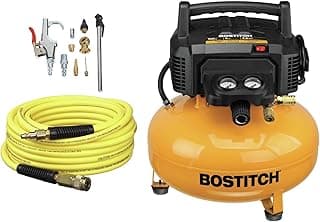
- For a compact shop option that many DIYers and hobbyists use, consider the Bostitch 6-Gallon Pancake Compressor as a starting example.
Tank size and duty cycle: how long it will run
Tank capacity determines how much stored air you have between motor cycles; duty cycle determines how long the motor can run without overheating. Bigger tanks give longer bursts of air and smoother operation for finish work or intermittent heavy use, while higher duty cycles are important if you plan on prolonged continuous work like spray painting or running multiple tools.
- Choose larger tanks (or higher SCFM ratings) if you need longer continuous runs or to operate several tools off one compressor.
- Smaller tanks with fast motor recovery are fine for brad nailers, staple guns and brief inflation tasks.
- If you want more stored capacity for a growing workshop, the VEVOR 13-Gallon Air Compressor is an example of a larger, beginner-friendly tank option.
Portability, power source and placement
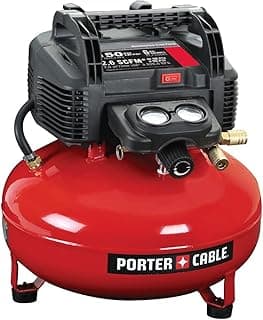
Decide whether the compressor will live in a fixed shop location or be moved frequently. Portable pancake and small hotdog compressors are easy to carry and fine for nailers and inflating, while wheel-equipped upright or stationary units with larger tanks suit a dedicated garage or shop. Also consider power source-most air tools and shop compressors run on standard electric motors, but battery or gas options exist for remote jobs.
- Check physical weight, handle and wheel design if you’ll move the unit often.
- Confirm electrical requirements (120V vs 240V) and outlet availability before purchase.
- Smaller compressors are convenient, but may struggle with sustained high-demand tools; match portability to your workflow.
Noise, maintenance and oil-free vs oil-lubricated designs
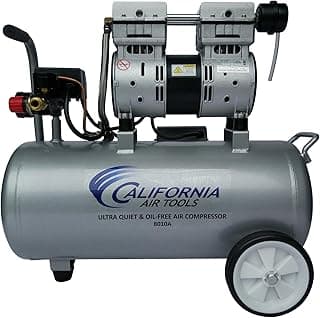
Noise level matters if you work in a shared space or inside a home. Oil-free compressors require less routine maintenance and are cleaner for finish work, while oil-lubricated models often run cooler and last longer under heavy industrial use. Consider a quiet, oil-free unit for trim and finish tasks or a more robust oil-lubricated compressor for continuous workshop duty.
- Look for published decibel ratings if noise is a priority; ultra-quiet models can make a big difference in indoor environments.
- Oil-free pumps reduce maintenance and eliminate oil contamination risks for painting or sensitive tasks.
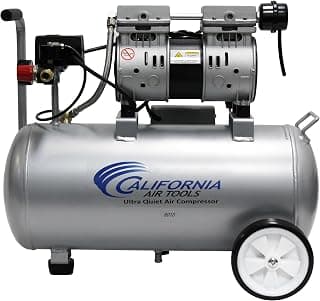
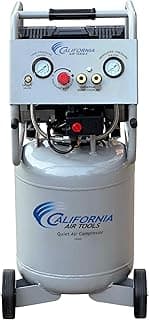
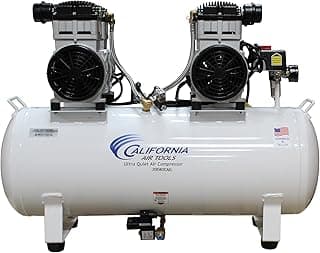
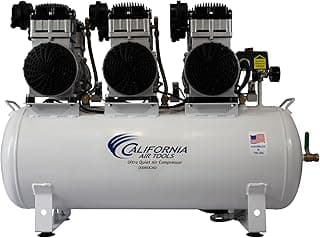
- The California Air Tools 1-Gallon Portable Compressor is an example of an oil-free, ultra-quiet design aimed at light-duty use.
Build quality, accessories and overall value
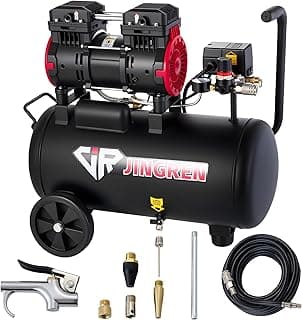
Evaluate build materials, warranty, included accessories and the manufacturer’s service reputation. Some compressors come with hoses, inflation kits or quick-connect fittings that add immediate value; others are sold as basic units and require separate purchases. A solid warranty and accessible replacement parts can make a lower-cost unit a better long-term value.
- Check which accessories are included-hoses, fittings and gauges reduce startup costs.
- Review warranty length and what it covers (pump, motor, tank).
- Balance upfront cost against expected lifespan and serviceability to determine true value for money.
FAQ
What size air compressor do I need for most air tools?
Focus on the compressor's CFM at the PSI your tools need rather than just tank size - tools demand continuous airflow (CFM) while the tank only smooths pressure. For general DIY and light professional use, look for a compressor that delivers steady CFM at around 90 PSI and a tank that matches how long you need to run between fills. If you plan to use air tools for longer sessions or heavier tools like impact wrenches, a larger tank and higher SCFM make a noticeable difference. A mid‑range option like the VEVOR 13‑Gallon Air Compressor is a practical choice when you need more runtime and flexibility without stepping up to a shop-sized unit.
Can I run two air tools at the same time on one compressor?
Yes, but it depends on the combined CFM draw and the compressor's duty cycle; two small finish nailers are easier to support than a framing nailer and an impact wrench together. Add the CFM requirements of both tools and compare that total to the compressor's rated CFM at the necessary PSI to see if it can keep up. If the compressor can't maintain pressure, tools will slow down or stall, so consider a bigger tank or higher SCFM rating for simultaneous use. For occasional dual-tool work a 6-13 gallon compressor can be fine, but for continuous multi-tool use you'll want a higher-capacity model or a dedicated shop compressor. For a wider range of situations and setups, see our guide to the best air compressor for shop.
Are quieter compressors worth the extra cost for a home shop?
Quiet compressors are worth it if you work indoors, in attached garages, or in noise-sensitive areas because they reduce fatigue and allow longer sessions without ear protection. Noise ratings (dB) are useful for comparing models - lower numbers mean less disturbance - and quieter units often use slower-revving or better‑isolated motors. They can cost more up front, but the comfort and ability to use tools without disturbing others are practical benefits. If silence matters to you, consider a low-noise option like the California Air Tools CAT‑1P1060S as an example of a quiet, compact model. For other home shop compressor options, check out our best air compressor for home use guide.
What maintenance do oil-free compressors need and how long do they usually last?
Oil-free compressors require less routine service than oil-lubricated models, but you should still drain the tank after each use to prevent rust, check hoses and fittings for leaks, and clean or replace air filters periodically. Inspect safety valves and pressure switches occasionally to ensure reliable operation, and keep the unit in a dry, clean area to extend life. Lifespan varies with usage and build quality; light home use can see many years of service, while heavy daily use shortens that span. Proper care and avoiding overheating are the best ways to maximize longevity.
Which features matter most when choosing an air compressor for air tools?
Prioritize CFM at the PSI your tools require, the duty cycle (how long it can run before needing rest), and tank capacity to match the length of tool runs you expect. Portability and weight matter if you move the compressor around job sites, while noise level and available quick‑connect fittings affect convenience and comfort. Also consider maximum PSI only if you use high-pressure tools or inflation jobs, and check included accessories if you want a ready-to-use setup. For a balanced, tool-friendly package, a reliable pancake compressor like the Bostitch 6‑Gallon Pancake Compressor often provides good value and flexibility for most users. For an overview of electric portable options, see our review of the best electric air compressor.
Final Verdict
After testing the top contenders, the strongest compressors separated themselves by delivering consistent real-world airflow at working PSI, solid tank capacity, durable pump construction, and low-maintenance oil-free operation. Prioritize CFM at 90 PSI, tank size for run-time, reliable regulators/fittings, noise level, and portability. The best-performing units combined dependable airflow, straightforward controls, quiet operation, and rugged build quality for fast, repeatable results on air tools.
🏆 Best Overall: DEWALT Tire Inflator Portable Air Compressor 20V MAX (DCC020IB)
💰 Best Budget: California Air Tools CAT-1P1060S 1-Gallon Ultra Quiet Compressor
⭐ Best Premium: Quiet 5-Gallon Oil-Free Air Compressor (68dB, 2.8CFM)