Buying Guide
Tank size and airflow (CFM & PSI)
Pick a tank size and airflow rating that match the tools and workflow in your shop. Tank gallons determine how long you can run tools between motor cycles; CFM (cubic feet per minute) at a given PSI tells you whether a compressor can keep up with high-demand tools like sanders or finish nailers.
- Match the compressor’s CFM @ PSI to the highest-demand tool you plan to run. If you need continuous operation, prioritize CFM over tank size.
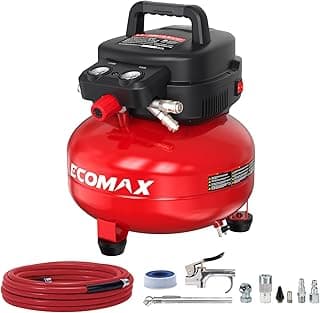
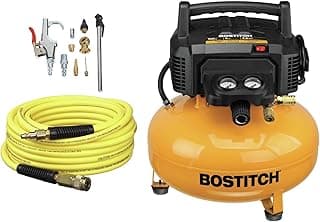
- Smaller pancake tanks (6 gal) are fine for intermittent nailing and inflating, while larger 20-30+ gallon tanks smooth out delivery for framing or spray work like those covered in the best air compressor for framing guide.
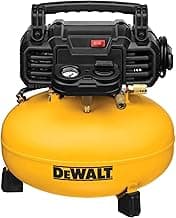
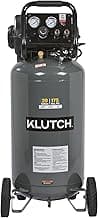
- For a compact, reliable option, consider the DEWALT Pancake Air Compressor with its 6‑gallon tank and higher PSI ceiling; for long runtimes and pro crews, a larger tank like the Klutch 29-gallon helps reduce motor cycling and keeps tools operating consistently.
Power source, motor size and duty cycle
Decide whether you need a compressor for light intermittent shop tasks or heavy continuous use. Motor horsepower and duty cycle affect how long the unit can run before needing rest.
- Electric compressors are common for indoor shops; check voltage and amperage requirements to ensure your shop circuits can handle the motor.
- Duty cycle (expressed in percentage) is critical if you’ll be running tools for extended stretches-higher duty cycles suit professional or production work.
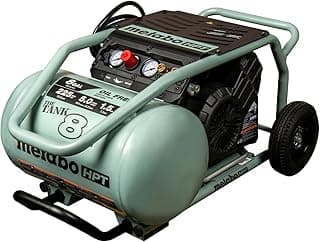
- If portability and a high pressure ceiling matter, models like the Metabo HPT THE TANK balance a compact footprint with a higher PSI rating useful for a range of nailers and staplers.
Footprint, portability and shop layout
Think about where the compressor will live and how often you’ll move it. Pancake and small horizontal tanks save floor space; wheels and handles matter if you transport the unit between jobsites.
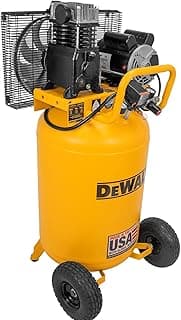
- Measure the storage area and leave space for hoses and accessories; a large 29‑gallon or 20‑gallon unit gives runtime but needs more room. For detailed recommendations on models optimized for different environments, see the best air compressor for home garage article.
- Wheeled, roll‑around tanks are easier to reposition in busy shops; compact pancake compressors are simpler to tuck under a bench.
- Consider hose length and reel placement so you can reach all workstations without repeatedly moving the compressor.
Noise levels and maintenance (oil-free vs oil-lubricated)
Noise can impact comfort and communication in the shop. Oil‑free pumps are lower-maintenance and usually quieter; oil‑lubricated models often last longer and run cooler but require regular service.
- If you work indoors or value low noise, look for advertised dB ratings and oil‑free designs to reduce upkeep and eliminate oil changes.
- Oil‑lubricated compressors handle heavy, continuous use better and can be more durable in production settings-factor in service intervals and parts availability.
- Regularly drain the tank and change filters to prevent moisture and prolong life regardless of pump type.
Durability, warranty and overall value
Shop compressors are a long‑term purchase. Look for robust fittings, cast‑iron or steel components, and clear warranty and service support. Consider total cost of ownership, not just the sticker price.
- Compare warranties and local service options-brands with accessible parts and support save downtime and expense over time.
- For professional shops that need reliable, heavy use performance, larger capacity, higher duty cycle models like the Klutch 29‑gallon or a well‑built Makita unit can offer better long‑term value.
- Balance initial cost against features (tank size, CFM, noise reduction) to choose the machine that fits both your budget and daily workload.
FAQ
What is the best air compressor for a small shop?
For a small shop you want something portable with enough tank and pressure to run common nailers and an air impact, and a 6‑gallon pancake is a popular choice. The DEWALT Pancake Air Compressor is a reliable example with a compact footprint and 165 PSI rating, which covers most light- to medium-duty tasks. Look for good CFM at 90 PSI, a stable regulator, and an oil-free pump for low maintenance. Prioritize portability only if you need to move the unit frequently; otherwise a larger tank gives steadier air for longer tool runs.
Pancake vs tank (vertical/horizontal) air compressors: which is better for a shop?
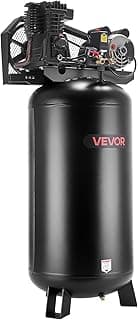
Pancake compressors are compact, lightweight, and great for quick jobs or tight spaces, while larger vertical or horizontal tank compressors hold more air and run tools for longer without frequent motor starts. If you use high‑CFM tools like sanders or spray guns, a 20-29 gallon tank (or larger) will keep pressure steadier and reduce motor cycling. For occasional nailing and inflating, a pancake is fine; for continuous finish work or multiple tools, choose a tank model. Also consider noise, duty cycle, and whether you need wheels for portability.
Are expensive air compressors worth the cost for a home or small shop?
Higher-priced compressors often buy you a more robust pump, better duty cycle, quieter operation, and longer warranty, which matters if you run tools all day. For occasional use a budget or midrange model like the Metabo HPT 6‑gallon pancake can save money while covering common tasks. Consider how often and how long you’ll run the compressor: frequent or heavy use justifies paying more for durability and serviceability. Read user reviews and check parts availability before committing to a pricier unit.
What features should I prioritize when buying an air compressor for my shop?
Focus first on CFM at the working PSI your tools require, then tank size to match tool run time and motor duty cycle to avoid overheating with prolonged use. Noise level matters for indoor shops, so look for quieter models if you’ll be in close quarters. Also check pump type (oil-free for low maintenance vs oil-lubed for longevity), outlet types, pressure regulator and gauges, and build quality like cast iron heads and accessible service points. Accessories and warranty/support are useful tie-breakers when comparing similar specs. For more buying advice, check out the best air compressor for air tools resource.
How long do shop air compressors last and what maintenance do they need?
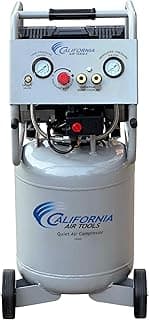
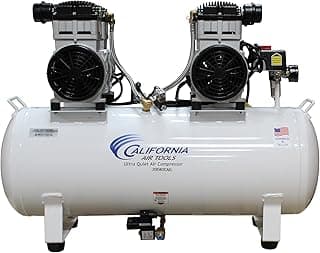
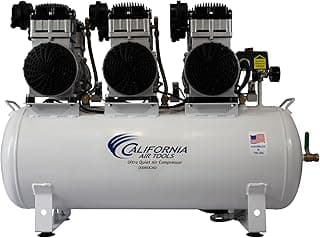
Lifespan varies widely: oil-free compressors can last many years with light use, while well-maintained oil-lubed units often outlast cheaper models under heavy duty. Regular maintenance includes draining the tank daily to prevent corrosion, checking and replacing air filters, and changing oil on oil-lubed pumps per the manufacturer schedule. Inspect hoses and fittings for leaks and keep the unit clean and ventilated to help the motor and pump run cooler. Quiet, oil-free models like California Air Tools are popular for lower maintenance and indoor shop use.
Final Verdict
After testing across capacity, delivery and long-run durability, the strongest shop compressors stood out for consistent CFM at working PSI, fast tank recovery and rugged build quality. Weaker options fell short on sustained airflow, noise control or maintenance friendliness. Prioritize CFM at 90 PSI, tank size, duty cycle, noise level and oil-free versus oil-lubricated serviceability. The top performers combined dependable pressure under load, simple controls and durable components that minimize downtime in a busy shop.
🏆 Best Overall: DEWALT DCC020IB 20V MAX Portable Tire Inflator
💰 Best Budget: Metabo HPT EC914S THE TANK 6-Gallon Pancake 200 PSI
⭐ Best Premium: TOAUTO A3 PCP High-Pressure Portable Compressor 4500Psi