Buying Guide
Airflow and Pressure (CFM/LPM and PSI)
Airbrush work depends on steady airflow and the right pressure range more than raw horsepower. Look for compressors that can deliver low, controllable PSI for fine detail and enough L/min (or CFM) for wider coverage when needed. A built-in regulator and gauge make it easy to dial in consistent pressure for different airbrush nozzles and paints.
- Tip: Prioritize a compressor with a clear pressure gauge and a smooth regulator-this gives fine control for gradients and masking work.
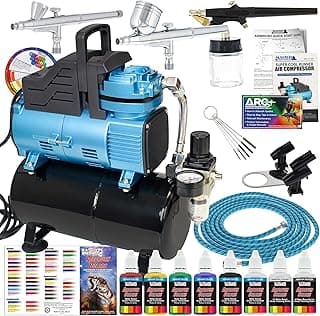
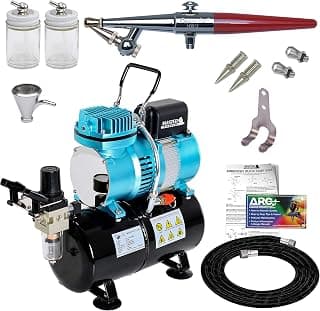
- Example: If you want a kit that pairs a tanked compressor with multiple airbrushes for varied pressure needs, consider the Master Airbrush Cool Runner Dual Fan, which bundles a compressor with a storage tank and several airbrushes so you can experiment with different pressure settings out of the box.
Tank vs. Tankless and Duty Cycle
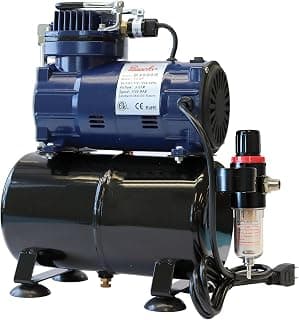
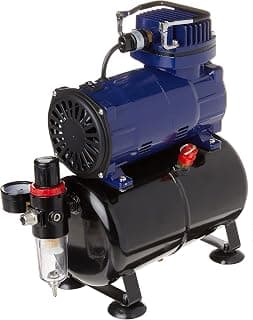
Decide whether you need a tanked compressor. Tanks smooth out pulsing from the pump, extending spray time between motor cycles and reducing on/off cycling. Tankless units are lighter and simpler but may pulse at low flow. Also check the duty cycle-how long the unit can run before needing a cooldown-if you plan long sessions.
- Tip: Choose a tanked compressor for longer continuous spraying and smoother airflow; choose tankless for portability and short bursts.
- Practical note: Smaller hobbyists and makeup artists often prefer 3L tank units that balance runtime and size.
Noise, Portability, and Size
Noise level matters if you work in shared spaces or need to keep sessions quiet. Compact compressors with dual fans or specialized noise-dampening designs can be surprisingly quiet. Consider weight and footprint if you transport your kit to classes or events.
- Tip: Look for listed dB ratings when available; quieter models are more comfortable for long sessions and client work.
- Example: For a pro-feeling unit that emphasizes quieter operation and a metal tank, the Cool Tooty Airbrush Compressor advertises a lower noise level and a 3L metal tank, making it a solid pick for small studios.
Moisture Control, Filtration, and Compatibility
Moisture in the air line can ruin paint jobs and damage fine nozzles. A regulator with a moisture trap or inline filter is essential for water-sensitive paints, food-safe coloring, or tattoo inks. Also check fittings and hose sizes for compatibility with your airbrushes or quick-connect setups.
- Tip: Prefer compressors that include a regulator and a built-in moisture trap or provide easily attachable filters.
- Example: If moisture control is a priority, consider a unit like the Timbertech ABPST08, which lists a regulator and moisture trap among its features.
Build Quality, Maintenance, and Value
Check construction (metal vs. plastic tank), warranty, and user-replaceable parts. Oil-free single-piston designs reduce maintenance but still require occasional cleaning and filter replacement. Evaluate value by balancing features you’ll use-tank size, noise reduction, included airbrushes-against cost.
- Tip: Read reviews for long-term reliability and look for models with accessible replacement parts and clear maintenance guidelines.
- Practical advice: Starter kits that include multiple airbrushes and accessories can be a better value if you’re just getting started, while investing in a higher-quality compressor pays off for frequent professional use. For those exploring the full range of best electric air compressor options, these factors are equally important.
FAQ
Which airbrush compressors are quiet enough for long painting sessions?
Look for compressors with low decibel ratings, cooling fans, and automatic start/stop so the motor only runs when pressure drops. Units that advertise 45-50 dB are noticeably quieter and easier to work around for hours. For heavier or professional use you can consider a noisier-but-stable model, but many hobbyists prefer quieter options like the Cool Tooty Compressor which is designed with dual fans and a 47 dB rating. Also pay attention to a tank and regulator-both reduce motor runtime and smooth airflow, which cuts perceived noise during long sessions.
Tank vs tankless compressors: which is better for airbrushing?
Tanks smooth pressure delivery and let you spray longer bursts without the motor running continuously, which helps reduce pulsing and improves finish consistency. Tankless compressors are lighter, more portable, and often cheaper, but they can struggle with continuous spraying or fine gradients. If you want a balance of portability and reliable output, small 3L tank units with a regulator and moisture trap are a smart choice-examples include compact tank models like the Timbertech ABPST08. Consider your typical projects: detailed model work benefits from tanked compressors, while quick touch-ups may be fine with tankless units.
Are expensive airbrush compressors worth the price for hobbyists?
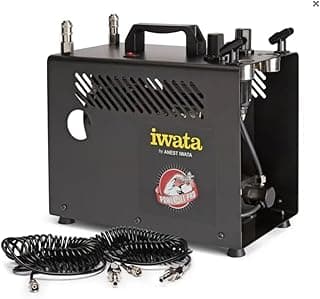
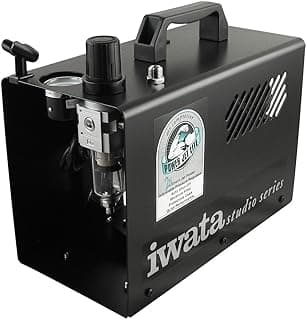
It depends on how often you use the compressor and how important noise, pressure stability, and durability are to you. Higher-end compressors typically offer quieter operation, tighter PSI control, better cooling, and longer duty cycles-features that pay off for full-time artists or pros. For occasional hobbyists, midrange models with a tank, regulator, and moisture filter give most of the benefits at a lower cost; if you plan to upgrade, look at pro options like the Iwata Power Jet Pro as an example of durable, serviceable equipment. Ultimately match the investment to expected hours of use and the level of finish you need.
What features matter most when buying an airbrush compressor?
Prioritize an adjustable regulator for precise PSI control, a moisture trap to prevent water in your paint, and either a tank or a stable pressure delivery to avoid sputtering. Noise level and duty cycle matter for comfort and longevity-cooling fans and auto on/off reduce wear and noise. Quick-connect fittings, an oil-free pump, and an accessible pressure gauge make setup and maintenance easier. Finally, consider size and portability if you need to move the unit between workspaces. Also review guides on the best portable air compressor to better understand size and portability options.
How should I maintain an airbrush compressor to extend its lifespan?
Drain the tank and empty the moisture trap after each session to prevent corrosion and water in your lines. Keep filters and fittings clean, inspect hoses for cracks, and make sure cooling vents stay clear of dust. Respect the compressor’s duty cycle-short breaks prevent overheating and premature wear-and use only recommended paints and thinners to avoid internal damage. Schedule periodic checks or servicing as suggested by the manufacturer to catch issues early and keep pressure stable.
Final Verdict
After testing the top airbrush compressors, the strongest units stood out for steady, controllable airflow, durable tank/regulator systems, effective moisture traps and quiet cooling fans. Weaker options cut corners on build quality, airflow consistency, or long-term reliability. Prioritize consistent PSI control, a tank with auto-start/stop, moisture filtration, low noise and serviceable parts. The best performers combined robust construction, simple controls and dependable airflow-everything a hobbyist or pro needs to finish precise work. If you're interested in professional-grade options, also check out the best industrial air compressor reviews for durable units with heavy-duty features.
🏆 Best Overall: Master Airbrush Cool Runner Dual Fan Compressor with Tank
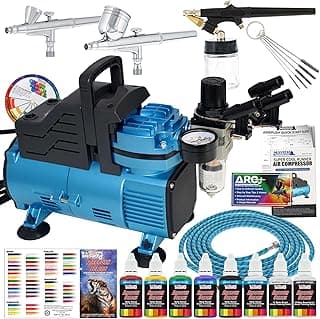
💰 Best Budget: Master Airbrush Cool Runner II Dual Fan Compressor Kit
⭐ Best Premium: Timbertech ABPST08 Upgraded Oil-Free Mini Compressor