Buying Guide
Power: matching CFM and PSI to your tools
Air compressors are useful only if they deliver the right flow (CFM) and pressure (PSI) for the tools you plan to run. Identify the peak PSI and the running CFM of your most demanding tool, then choose a compressor with a comfortable margin so the motor isn’t constantly near full load.
- Look for continuous (running) CFM at the pressure your tools require rather than just peak CFM numbers.
- Higher horsepower and larger pumps make it easier to sustain demanding tools; for a reliable all-around option, consider a well-regarded shop compressor such as the Makita MAC2400.
Tank size and portability: tank capacity vs. mobility
Tank capacity determines how long you can run tools between motor cycles. Bigger tanks smooth out airflow and reduce motor starts, but they add weight and footprint. Decide whether you need a jobsite-friendly pancake or portable unit, or a larger stationary tank for shop work.
- Pancake and small pancake-style tanks are compact and easier to move; they suit nailers and intermittent tasks.
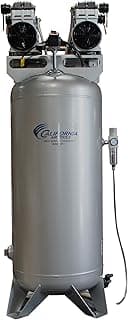
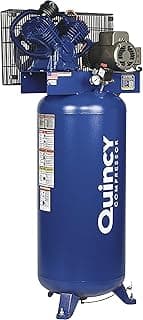
- For heavier continuous use, a larger vertical or horizontal tank reduces short cycling and improves tool performance.
- If portability is important, look at purpose-built compact models such as the portable pancake compressors like the Metabo HPT EC914S.
Duty cycle, motor type and maintenance
Duty cycle (the percentage of time the compressor can run in a given period) and pump design are key for commercial use. Compressors designed for frequent, extended duty and those with serviceable components typically last longer in a shop environment.
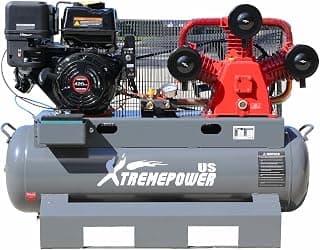
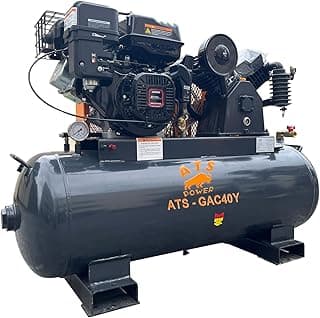
- For heavy, repeated use prefer compressors and pumps rated for higher duty cycles and that use replaceable filters and easy-access drains. For specialized needs, see our detailed guide on the best industrial air compressor.
- Oil-lubricated pumps can have better longevity under continuous load; oil-free units reduce routine maintenance for light-to-moderate use.
- Check availability of replacement parts and local service-brands with wide support networks ease long-term ownership.
Noise level and workplace comfort
Noise is a practical consideration for indoor shops or shared sites. Quieter compressors reduce hearing protection needs and improve communication on the job.
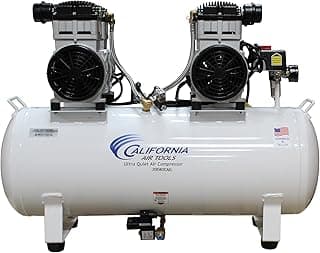
- Look for published dB figures where available and consider a larger tank or a quieter pump design if noise is a primary concern. For quieter options suitable for sensitive environments, review the best electric air compressor choices.
- Some compact units advertise ultra-quiet operation; for example, a portable model that lists low-decibel operation is useful where sound matters-see the Metabo HPT EC28M as a quiet option to evaluate.
- Place compressors on vibration-isolating feet and away from workstations to reduce perceived noise and vibration.
Durability and total value
Consider total cost of ownership: initial price, expected service life, and how well the unit holds up under your typical workload. A slightly higher upfront cost can be justified by fewer repairs, longer service intervals, and better resale.
- Compare warranty terms and read user feedback on reliability for the models you’re considering.
- Match the compressor’s intended use to your workload-industrial-grade models are worth the investment for continuous commercial use, while lighter duty portable units can cut costs for intermittent jobsite tasks.
- Balance features like tank size, duty cycle, noise and portability to pick the model that offers the best practical value for your shop or fleet. For jobsite-specific needs, check out the best jobsite air compressor recommendations.
FAQ
What's the best commercial air compressor for heavy daily shop use?
For heavy daily use you want a proven, durable model with enough power and a reputation for reliability; many pros pick the Makita MAC2400 as an all-around choice. It rates highly with users and is often recommended for continuous shop workloads. Look for a unit that matches your tools' CFM at working pressure and has a sturdy build. If you need mobility, consider whether a wheel kit or smaller portable model fits your workflow better.
Do I need a large tank or higher PSI for framing and roofing nailers?
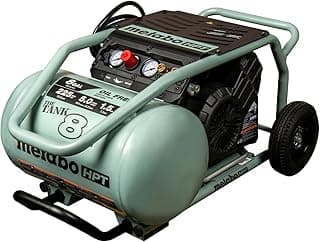
Framing and roofing nailers use short bursts of air, so recovery time (CFM at working PSI) and a compressor's ability to maintain pressure matter more than an enormous tank. A 6‑ to 20‑gallon tank is typically sufficient for intermittently fired nailers, while higher PSI models give more headroom for different nailers and attachments. Smaller pancake compressors can work for light jobs, but for extended framing runs a larger tank or a higher-output pump reduces cycle time. The Metabo HPT "THE TANK" 6‑gallon unit is a popular budget example that balances portability with the output these nailers need.
Are premium commercial air compressors worth the extra money?
Premium compressors often cost more because they use higher-quality components, better noise control, and longer warranties, which can reduce downtime and service costs over time. If you run a busy shop or rely on the compressor for critical work, the investment usually pays off through reliability and lower maintenance. For occasional or light-duty use, a midrange model can be more cost-effective. Look at user reviews and warranty terms to judge whether the premium features matter for your specific needs-DEWALT's trim/commercial models are commonly cited as higher-end options.
What features matter most when choosing a commercial air compressor?
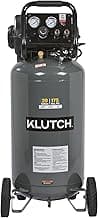
Prioritize the compressor's CFM at the working PSI of your tools, the tank size, and the motor horsepower-those determine whether it will run your tools effectively. Also consider duty cycle (how long it can run before needing rest), noise level for indoor work, and whether you want oil‑lubricated or oil‑free pumps for maintenance preferences. Portability and footprint matter if you move around a jobsite, while serviceability and parts availability affect long‑term ownership. Value models like the Ingersoll Rand P1.5IU-A9 and larger professional tanks such as the Klutch 29‑gallon are examples that emphasize different priorities.
How often should I perform maintenance and what affects a compressor's lifespan?
Basic maintenance-draining condensate after each use, keeping intake filters clean, and checking fittings-should be done regularly to prevent moisture and contamination. Oil‑lubricated compressors need periodic oil changes and belt checks, while oil‑free models like the Makita MAC320Q require less frequent oil-based service but still need filter and drain attention. Schedule more thorough inspections or professional service annually, or sooner if you notice reduced performance or unusual noises. Proper maintenance, correct sizing for your workload, and operating within rated duty cycles are the biggest factors in extending service life.
Final Verdict
After testing the top-commercial compressors, the strongest units stood out for consistent pressure delivery, durable construction, and serviceable components - not just peak PSI. Buyers should prioritize CFM at working PSI, tank size for run time, noise level, duty cycle, and ease of maintenance. The best-performing compressors combined solid build quality, dependable motors, and thoughtful ergonomics (handles, wheels, ports) so they hold pressure under load and require minimal upkeep on job sites.
🏆 Best Overall: Makita MAC2400 Big Bore 2.5 HP Air Compressor
💰 Best Budget: Metabo HPT EC914S 6-Gallon Pancake Air Compressor
⭐ Best Premium: DEWALT DWFP55130 200-PSI Quiet Trim Air Compressor