Buying Guide
Power and airflow: PSI and CFM
Look past the brand and check two specs first: maximum PSI and the compressor's CFM (cubic feet per minute) at a given PSI. PSI tells you the top pressure the unit can reach; CFM at 40-90 PSI tells you how quickly it will drive air tools or refill a tank. Higher CFM matters for continuous tools (spray guns, framing nailers), while higher PSI helps with specialty tasks.
- For light inflating and finishing work, lower CFM is fine; for framing or continuous spray work, prioritize higher CFM.
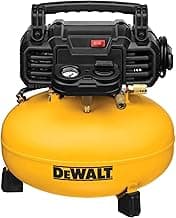
- Example: Many homeowners start with a reliable shop pancake like the DEWALT Pancake Air Compressor because it balances respectable PSI with usable CFM for general tasks.
Tank size and recovery time
Tank volume (gallons) controls how long you can run a tool before the motor cycles to refill the tank. Larger tanks give longer run time and fewer motor cycles; smaller tanks are lighter and recover faster if the pump is powerful. Consider the work rhythm: short bursts (nailers) are fine with small tanks, while prolonged tasks (spray finishing) benefit from bigger tanks and faster recovery.
- Smaller tanks (1-6 gallons) suit trims, brad nailers, and inflating tires.
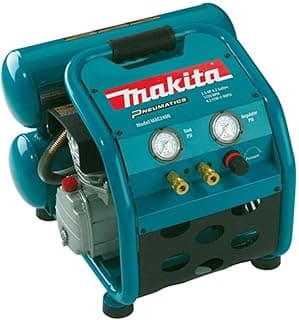
- Larger tanks paired with a big-bore pump recover faster and sustain higher CFM for longer jobs; the Makita MAC2400 is often cited for its “big bore” pump and steady recovery in workshop settings.
Portability, power source, and intended use
Decide where you’ll use the compressor most. Stationary shop compressors trade portability for tank size and consistent output. Portable corded pancake models are a good middle ground. If you need on-the-go inflation or roadside support, cordless inflators provide convenience but limited run time. For more on portability, check out our guide on the best portable air compressor to find models that fit your mobile needs.
- Choose corded electric pancake or hot-dog compressors for regular shop use.
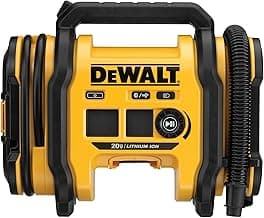
- If you want cordless convenience for tires and inflatables, consider a battery-powered model such as the ETENWOLF VORTEX S6, which targets heavy-duty portable use.
- Think about weight, handle layout, and footprint if you need to carry or store the unit frequently.
Noise, duty cycle, and maintenance
Noise level matters if you’re working in a garage attached to living spaces or on a jobsite with neighbors. Duty cycle indicates how long the compressor can run before it needs to rest-important for continuous tasks. Also decide between oil-lubricated pumps (longer life under heavy use, more maintenance) and oil-free pumps (less maintenance, quieter starts for light-to-moderate use). For quieter operation options and maintenance tips, the best air compressor for air tools guide covers models designed for quieter and more efficient work environments.
- Look for models marketed for quiet operation if noise is a priority; compact quiet units such as the Makita MAC100Q Quiet Series are designed with that balance in mind.
- For heavy daily use, favor compressors with a higher duty cycle and serviceable components to extend lifespan.
Durability, accessories, and value
Durability comes from build quality, pump design, and the availability of replacement parts and accessories (regulators, hoses, quick-connects). Match accessories to tasks-roofing and framing need different fittings than automotive tire inflation. Finally, weigh upfront cost against warranty, expected lifetime, and how well the unit fits your regular tasks. For detailed durability and value comparisons of top machines, explore our best commercial air compressor reviews.
- Check warranty length, metal vs. plastic fittings, and user-serviceable parts for long-term reliability.
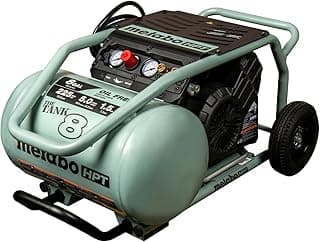
- Beginner-friendly models with versatile tanks and included regulators can be better value than bare tools; for a solid all-around pancake aimed at general users, consider options like the Metabo HPT THE TANK.
- Create a short checklist before buying: required PSI/CFM, tank size, portability, noise tolerance, and included accessories.
FAQ
What is the best electric air compressor for most DIYers?
For general home and garage work you want a compressor that balances tank size, max PSI and portability. A popular pick is the DEWALT Pancake Air Compressor, which pairs a 6‑gallon tank with a high PSI for common nailers and inflation tasks. It’s compact enough to move around the shop but big enough to avoid constant motor cycling during moderate use. Prioritize a model with reliable customer support and simple controls if you plan to use it for framing, finishing, or inflating tires.
Should I choose an oil-free or oil-lubed compressor?
Oil-free compressors require less routine maintenance and are usually lighter and quieter, which makes them good for intermittent home use or indoor workshops. Oil-lubed units often run cooler and can last longer under heavy, continuous workloads, so pros who run tools all day may prefer them. If low upkeep is a priority, consider compact oil-free models like the Makita Quiet Series for light duty. For heavier duty or better longevity consider a big-bore, oil-lubed compressor - just be prepared for regular oil checks and changes.
Are expensive electric air compressors worth it for occasional use?
Not always - if you only inflate tires and run occasional brad nailers, a smaller, lower-cost unit or a portable inflator will cover your needs without the higher upfront cost. Higher-priced compressors typically offer bigger tanks, higher duty cycles, better materials and quieter operation, which pay off for frequent or professional use. For beginners or light users, a midrange pancake compressor or a portable inflator gives the best balance of value and performance. Match the purchase to how often you’ll run tools and how long you need continuous air.
What features matter most when buying an electric air compressor?
Focus on tank size, CFM at the PSI you’ll use, and maximum PSI because those determine how long you can run a tool before the motor kicks on. Portability and weight matter if you’ll move the unit around, while noise level and duty cycle matter if you’ll run it for long periods. Look for easy-to-read gauges, accessible drain valves, and quick-connect fittings to simplify day-to-day use. Warranty and brand reputation also help you avoid downtime and expensive repairs later.
How much assembly and maintenance does an electric air compressor need?
Most compressors require minimal assembly out of the box - typically mounting wheels or handles and connecting a hose. Routine maintenance includes draining the tank after use to prevent rust, checking and tightening fittings, and changing oil on oil-lubed models at the intervals recommended by the manufacturer. Oil-free models like compact Makita units reduce maintenance needs, while larger oil-lubed compressors need a bit more care to reach their expected lifespan. Keep the intake clean and store the unit in a dry place to extend its service life.
Final Verdict
After testing across common tasks, the strongest compressors separated themselves by consistent PSI delivery, quick recovery, durable pumps, and low noise-while weaker options showed flimsy construction, short duty cycles, and poor pressure control. Prioritize tank size, duty cycle, noise level, portability, and build quality to match your work. The best-performing units combined solid metal construction, reliable pressure regulation, and clear gauges, delivering durable, predictable performance that keeps tools running efficiently over time.
🏆 Best Overall: DEWALT Pancake 6-Gallon Air Compressor 165 PSI
💰 Best Budget: Makita MAC2400 Big Bore Air Compressor 2.5 HP
⭐ Best Premium: Makita MAC100Q Quiet 1-Gallon Oil-Free Compressor