Buying Guide
Engine power and fuel type
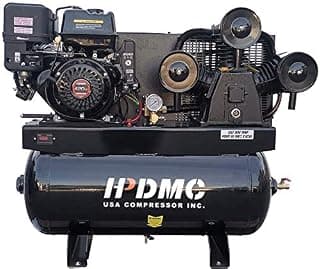
For gas air compressors, the engine is the heart of performance. Look at horsepower (HP) and whether the unit uses a four-stroke or two-stroke engine-four-stroke engines run cleaner and require less oil mixing, while two-stroke engines tend to be lighter but noisier. Consider fuel availability and run-time: larger tanks and more efficient engines deliver longer continuous operation on a single fill. If you plan to use the compressor on remote jobsites, prioritize engines with easy-start systems and good service support.
Air delivery: CFM, PSI and tank size
CFM (cubic feet per minute) and PSI (pounds per square inch) determine what tools you can run and for how long. Match the compressor’s rated CFM at the working PSI to the highest-demand tool you’ll use-nailers, impact wrenches, and spray guns all have different requirements. Tank size affects duty cycle: larger tanks reduce motor cycling and let you run tools for longer bursts, while smaller tanks are lighter and recover pressure faster. When comparing models, focus on sustained CFM at the PSI you need rather than peak numbers.
Portability, weight and mounting
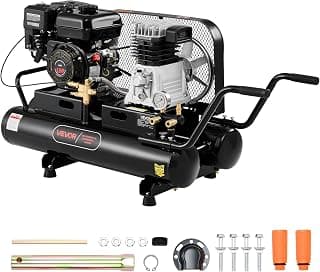
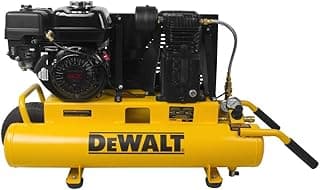
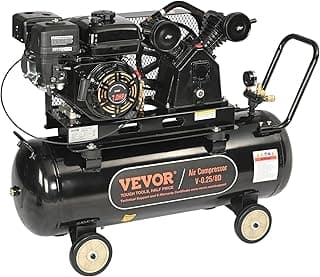
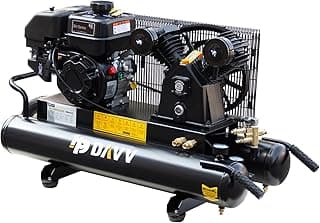
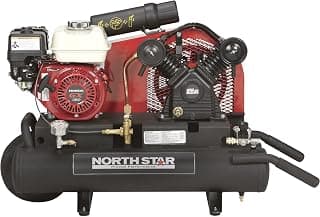
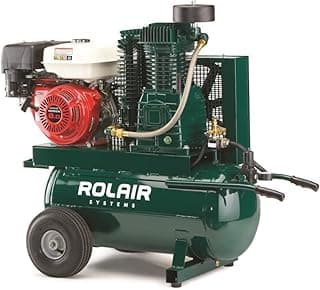
Gas compressors are often used outdoors or on job trailers, so weight and how the unit mounts matter. Consider whether you need a towable skid, a portable wheelbarrow design, or a lighter carry model. Check lifting points, skid rails, and whether the compressor’s configuration fits into your truck or trailer. Portable designs with integrated protective cages and easy-to-access controls reduce setup time and protect the machine during transport. For more options on compact designs, see our best portable air compressor guide.
Durability and maintenance
Long-term reliability depends on construction and ease of service. Look for cast-iron pumps, corrosion-resistant tanks, and readily available replacement parts. Inspect service points: oil fill/drain, air filters, belts, and spark plugs should be accessible. Regular maintenance items-oil changes, valve checks, and fuel system care-should be straightforward; models with documented maintenance guides and widespread dealer networks simplify upkeep and reduce downtime. Learn more about maintenance and durability in our best commercial air compressor review.
Noise, emissions and site requirements
Gas engines are louder and produce exhaust, so account for local noise ordinances and environmental regulations when choosing a model. If you’ll work in noise-sensitive areas, look for units engineered with mufflers, sound-damping enclosures, or optional silencing kits. Also check emissions compliance for your region-EPA or CARB certifications may be required for some job sites or commercial work.
Value for money and intended use
Balance upfront cost against expected lifecycle and how you’ll use the compressor. Heavy daily use justifies spending more on a robust, serviceable machine; occasional or hobby use favors smaller, lower-cost models. Evaluate warranty length, dealer support, and parts availability as part of value-not just the purchase price. Finally, match the compressor’s specs to your tools and workflow to avoid overspending on capacity you won’t use or underbuying for your needs. For hobbyists or smaller tasks, check out our recommendations in the best small air compressor category.
FAQ
Which gas air compressor is best for long hours at the jobsite?
For long hours choose a model with a high duty cycle and a larger engine that can run near its rated output without overheating. Look for good cooling (finned heads or forced-air), a sizable fuel tank, and an oil-lubricated pump for durability under continuous use. Prioritize CFM at the working PSI you need rather than peak PSI to ensure tools run smoothly. Also check serviceability and parts availability so routine repairs don’t cause long downtime. Consider noise and fuel consumption if you’ll be running it in populated areas.
Oil-free vs oil-lubricated gas compressors: which should I buy?
Oil-free compressors are lighter, require less maintenance, and are fine for intermittent or hobby use, but they tend to wear faster under heavy duty. Oil-lubricated models run cooler and last longer under continuous or professional loads, making them a better choice for jobsite or industrial use. If you need minimal upkeep and portability, oil-free can be attractive; if longevity and steady performance matter most, go oil-lubricated. Remember that oil-lubricated pumps need regular oil checks and changes to realize their lifespan advantage. Choose based on how often and hard you’ll be running the compressor.
Are expensive gas air compressors worth the extra cost?
Higher-priced compressors usually buy stronger engines, better pumps, thicker tanks, and more durable accessories-features that pay off for daily professional use. If you run tools all day or need consistent CFM under load, the investment can reduce downtime and maintenance costs over time. For occasional or light-duty use, a mid-priced or budget model often provides acceptable performance and savings. Compare warranties, service networks, and replacement-part costs to judge true value rather than just upfront price. In short, expensive models are worth it for heavy use but overkill for rare or light tasks. For insights on budget options, see our best 3 gallon air compressor picks.
What features should I focus on when choosing a gas air compressor?
Prioritize rated CFM at the PSI your tools require, because that determines whether the compressor will power your tools effectively. Tank size affects how long you can run between engine cycles, while engine horsepower influences recovery time and overall power. Check duty cycle ratings, oil-free vs oil-lubricated pump type, portability (frame, wheels, and weight), and features like dual quick-connects or built-in regulators. Consider noise level, fuel capacity, and how easy it is to access service items like filters, belts, and spark plugs. Finally, verify parts availability and warranty coverage for peace of mind.
How long do gas air compressors last and what maintenance keeps them running?
A well-maintained gas compressor can last 5-15 years depending on build quality and usage intensity, with commercial units often at the upper end of that range. Regular maintenance includes changing engine and pump oil, cleaning or replacing air filters, draining condensation from the tank daily, and inspecting belts and hoses for wear. Check and replace spark plugs and fuel filters on a schedule, and keep cooling fins and intake areas free of debris. Store the unit with stabilized fuel if it will sit unused and run it under light load periodically to prevent seals from drying. Keeping a maintenance log helps catch small issues before they become big repairs.
Final Verdict
Top performers separated themselves through dependable air delivery, durable construction, and easy upkeep. Prioritize usable CFM/PSI for your tools, tank size for run time, portability and weight for jobsite moves, plus build quality and serviceability for long-term value. The best models combined predictable pressure delivery, straightforward controls, and robust frames-features that translate directly into less downtime and better performance for both pros and serious DIYers.
🏆 Best Overall: DEWALT DCC020IB Tire Inflator 20V MAX Portable Air Compressor
💰 Best Budget: Makita MAC2400 Big Bore 2.5HP Air Compressor
⭐ Best Premium: Makita MAC700 Big Bore 2.0HP Air Compressor