Buying Guide
Tank size and airflow (CFM/PSI): pick what your tools need
Match tank capacity and airflow to the tools you’ll run most often. Framing nailers and roofing tools need short bursts of high pressure, while finish nailers and staplers rely more on steady airflow. Look for a compressor whose advertised PSI and CFM meet or exceed the requirements printed on your nailer or impact wrench. For more detailed recommendations, see our best air compressor for air tools guide.
- Quick check: note the CFM required at the PSI your tool needs, not just the maximum PSI.
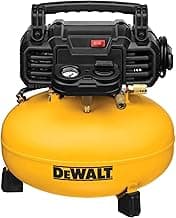
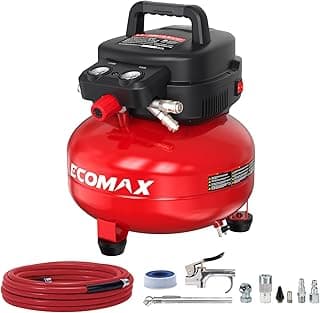
- Example: a 6‑gallon pancake like the DEWALT Pancake Air Compressor gives decent tank volume for intermittent jobsite use without a big footprint.
Portability and weight: ease of transport on a busy site
Jobsite compressors should balance performance with portability. Consider tank size, handles, wheels, and overall weight if you’ll be climbing ladders or moving between trucks and trailers. Compact pancake and wheeled hand‑carry models are easiest to move while larger “big bore” units deliver more continuous power but weigh more. For options focused on mobility and construction tasks, check the best portable air compressor for construction resource.
- Quick check: if you move the compressor alone, prioritize low weight, carrying handles or wheels, and a compact footprint.
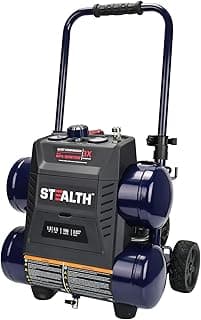
- Example: a wheeled hand‑carry unit such as the DEWALT hand‑carry compressor blends mobility with higher max pressure for versatile use.
Noise level and jobsite environment
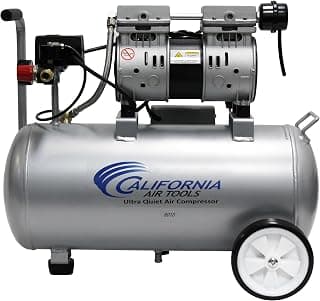
Noise matters on occupied sites, in early morning shifts, or when you work near neighbors. “Quiet” compressors use smaller pumps, sound‑dampening covers, or lower RPM motors to reduce decibels. If worksite noise restrictions or communication are a concern, choose a quieter model-even if it means sacrificing some peak airflow.
- Quick check: look for advertised decibel ratings or “quiet” in the model name when noise is a top concern.
- Example: ultra‑quiet portable units like the Metabo HPT Quiet air compressor are designed specifically to minimize disruption on sensitive jobsites.
Power, pump type and maintenance
Decide between oil‑lubricated and oil‑free pumps. Oil‑lubricated compressors generally last longer under heavy continuous use and tolerate higher duty cycles, but require regular maintenance. Oil‑free units are lighter and lower maintenance-often a better fit for intermittent jobsite tasks. Consider motor size and “big bore” pump designs if you need faster recovery between shots.
- Quick check: choose oil‑lubricated for heavy daily use, oil‑free for portability and low maintenance.
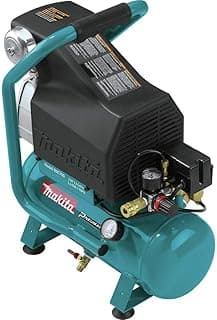
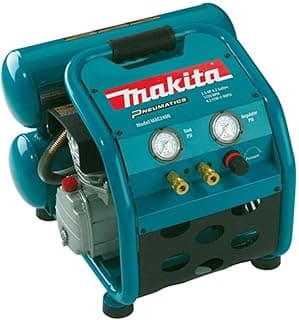
- Example: models labeled “Big Bore,” such as the Makita MAC700, emphasize larger cylinders for quicker recovery and sustained performance.
Durability and value for money
On a jobsite, durability is paramount. Look for steel tanks, robust control manifolds, reinforced hoses and skid‑resistant feet. Warranty length and brand reputation are good proxies for long‑term value. A slightly higher upfront cost can pay off through fewer repairs and longer service life. For extensive industrial and commercial durability comparisons, see the best commercial air compressor guide.
- Quick check: inspect the mounting and fittings, ask about warranty and parts availability before buying.
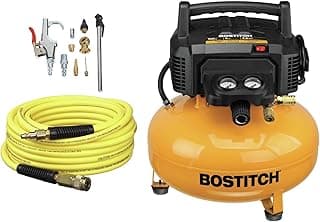
- Tip: compact, well‑built options like the Porter‑Cable pancake line often deliver solid value for light‑to‑medium jobsite tasks without overspending.
FAQ
What is the best jobsite air compressor for framing and finish work?
For a mix of framing and finish work you want something portable with enough tank and consistent airflow to run nailers and staplers. Pancake-style compressors are popular because they balance portability with decent recovery between shots. For an all-around jobsite pick, the DEWALT Pancake Air Compressor is frequently recommended for its durability and usability on varied tasks. Still, pick a model that matches the CFM needs of your most demanding tool and offers a comfortable carry or wheel system for moving around site to site.
How do I choose the right CFM and PSI for my jobsite tools?
Start by checking the CFM and PSI requirements printed on each tool-CFM at the tool's working PSI is the key number. Size your compressor to meet or exceed the highest continuous CFM demand of any tool you’ll run, and allow a margin so the compressor doesn’t run constantly. Remember tank capacity affects how often the motor runs, but sustained CFM rating determines whether you can run high-demand tools continuously. If you plan to run multiple tools, add their CFM values together and choose a compressor that can handle that combined load.
Should I choose an oil-free or oil-lubricated compressor for jobsite use?
Oil-free compressors are lighter, require less maintenance, and are fine for finish work, brad nailers, and occasional use-making them convenient for many jobsites. Oil-lubricated models are generally more durable for heavy-duty, continuous framing work and tend to run cooler under load, but they need regular oil changes. Consider how often and how hard you’ll use the compressor: frequent heavy use favors oil-lubed units, while intermittent or finish-focused jobs favor oil-free. Also factor in ambient conditions-dust and temperature extremes can increase maintenance needs regardless of type.
How important are portability and noise level on a jobsite?
Portability matters a lot because you’ll be moving the compressor between locations and up and down ladders; look for compact pancake styles, good handles, or wheeled units for heavier tanks. Noise level matters for worker comfort, communication, and compliance with local site rules-quieter compressors make it easier to work in occupied areas and reduce hearing fatigue. If noise is a priority, consider quieter models such as the Metabo HPT Quiet Air Compressor which are marketed for low-decibel operation. Balance weight, noise, and duty cycle so the unit is practical for your typical jobsite tasks.
What maintenance keeps a jobsite compressor running longer?
Drain the tank of accumulated moisture after each workday to prevent rust and reduce contamination of tools. Inspect and replace air filters as needed, and check hoses and fittings for leaks or wear before each use. For oil-lubricated compressors follow the manufacturer’s oil-change schedule and keep the pump clean; for oil-free models focus on seals and intake cleanliness. Lastly, store the compressor in a dry, sheltered place and tighten any loose fittings periodically to avoid small issues becoming failures on the job. For detailed maintenance tips, check out the best air compressor for shop guide which also covers upkeep essentials.
Final Verdict
After testing the top jobsite compressors, the strongest models stood out for dependable pressure delivery, durable pumps and tanks, and a balance of tank size versus portability. Weaker options fell short on sustained CFM, noisy operation, or flimsy fittings. Prioritize consistent PSI/CFM for your tools, build quality and service/support, plus noise and carry ergonomics if you move the unit often. The best performers combined rugged construction, stable output under load, and user-friendly controls.
🏆 Best Overall: DEWALT Pancake 6-Gallon Air Compressor 165 PSI
💰 Best Budget: DEWALT Trim 200-PSI Quiet Air Compressor
⭐ Best Premium: Metabo HPT Quiet 1-Gallon Oil-Free Air Compressor