Buying Guide
Power and airflow: PSI and CFM
Match compressor output to the tools you plan to run. PSI (pressure) determines whether a compressor can handle high-pressure tools, while CFM (cubic feet per minute) determines how many tools you can run continuously. Hobby brad nailers and inflation tasks need modest PSI/CFM; framing nailers, spray guns, and some impact wrenches demand higher and steadier airflow.
- Tip: Check your most demanding tool’s required CFM at its operating PSI, then choose a compressor with a higher continuous CFM rating or a larger tank to avoid frequent motor cycling.
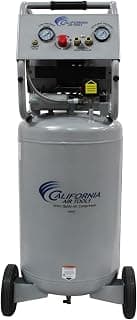
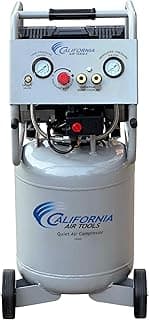
- Example: If you want a balanced setup for light shop work, compact units like the California Air Tools 8010 are often sized to handle common workshop tools without constant restarts.
Tank size and duty cycle
Tank capacity affects how long you can run a tool before the motor has to refill the tank. Smaller tanks fill and cool quickly but cycle more often; larger tanks provide longer bursts of air and smoother operation for continuous tasks. Also consider the compressor’s duty cycle: higher duty cycles mean the motor is designed for more continuous running without overheating.
- Tip: For intermittent home use, a 1-6 gallon tank is usually sufficient. For repetitive or professional tasks, look for 20+ gallon tanks or compressors designed with higher duty cycles.
- Practical note: Oil-free compressors are low-maintenance and ideal for occasional and indoor use, but tank capacity still determines how long they can sustain airflow between motor cycles.
Noise level and workspace comfort
Noise matters if you work indoors, in a garage, or around others. Decibel ratings vary significantly between models; quieter compressors reduce fatigue and make long sessions more tolerable. If you need a compressor for a home garage, prioritize models with lower dBA ratings.
- Tip: Look for manufacturers’ dBA specs and read user feedback about perceived loudness-real-world noise can differ from rated values. Consider also reading our guide to the best ultra quiet air compressor options for indoor use.
- Example: Extremely quiet portable options such as the California Air Tools CAT-1P1060S advertise low-decibel operation, which is helpful for indoor or early-morning work.
Portability and weight
Decide whether you need a permanently sited compressor or something you’ll carry between jobs. Portable units are lighter and often have handles or wheels; larger tanks add weight but improve performance stability. Consider power source and dimensions if you’ll be storing the unit in a small garage or transporting it in a vehicle. For more on mobility, check the best portable air compressor reviews.
- Tip: For frequent transport, favor compact, low-weight models with integrated handles. If mobility isn’t required, prioritize tank size and duty cycle over weight.
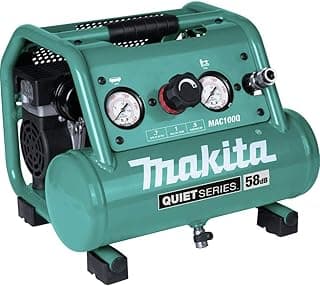
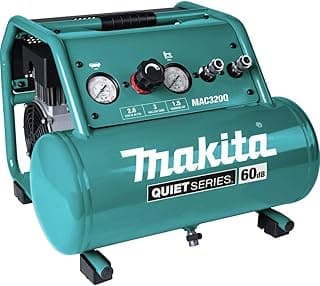
- Example: Compact, lightweight options such as the Makita MAC100Q balance portability with enough capacity for common shop tasks.
Durability, maintenance, and value
Oil-free compressors require less routine maintenance than oil-lubricated units, but build quality, materials, and warranty still affect long-term value. Look for sturdy tank construction, reliable motors, and easy-to-access service points. Accessories and included fittings can also improve out-of-the-box usability. For a broader view on compressor types including durability, see our best oil lubricated air compressor guide.
- Tip: Check warranty length and what it covers. A longer, clearly defined warranty is a good proxy for manufacturer confidence.
- Tip: Compare initial price with expected lifespan and maintenance needs. Higher upfront cost can pay off if a unit offers better components, quieter operation, or a longer warranty.
FAQ
What is the best oil-free air compressor for general home or workshop use?
For most DIYers and small shops you want a model that balances power, tank capacity and quiet operation. A solid example is the California Air Tools 8010, which pairs an 8‑gallon tank with low noise and oil‑free convenience. Look for a unit that delivers enough PSI/CFM for your most common tools while staying portable. Prioritize proven reliability and easy maintenance when choosing.
How do oil-free air compressors compare to oil-lubricated models?
Oil-free compressors require less routine maintenance because you don’t need oil changes, which makes them convenient for intermittent use and cleaner applications. They can be louder or have shorter heavy‑duty lifespans than comparable oil‑lubricated units, though modern designs have narrowed that gap. Oil‑free models are ideal for finish work, inflating, and light to medium shop tasks where convenience matters. If you need continuous heavy duty operation, an oil‑lubricated compressor may still be the better long‑term choice.
Are expensive oil-free air compressors worth the extra cost?
Higher‑priced oil‑free compressors often use better materials, quieter motors, larger tanks, and tighter tolerances that translate to longer service life and more consistent performance. Whether the premium is worth it depends on how often and how hard you’ll run the compressor; frequent professional use justifies spending more. For occasional homeowners, a midrange model can deliver good value without unnecessary features. Always weigh warranty, parts availability and real user reviews before paying extra.
What features matter most when buying an oil-free air compressor?
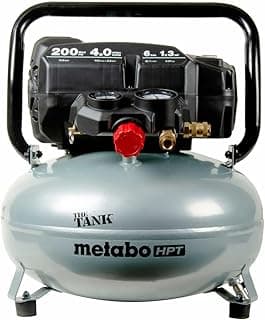
Focus on CFM at the PSI you’ll use most, tank capacity, and the unit’s noise level because these determine tool compatibility and comfort. Portability, duty cycle, and quick‑connect fittings affect usability and setup time for different jobs. Also consider build quality and warranty-brands like Makita and Metabo HPT are commonly cited for solid options at different price points. Finally, check accessory availability and whether the compressor has features like an easy drain valve for maintenance.
How long do oil-free air compressors last and what maintenance do they need?
Lifespan varies with build quality and how heavily the compressor is used, but many oil‑free models give years of reliable service with basic care. Regular maintenance mainly means draining moisture from the tank, checking hoses and fittings for leaks, and keeping inlet filters clean. Avoid running the unit beyond its rated duty cycle and store it dry to reduce corrosion. If you follow the manufacturer’s maintenance checklist, you’ll maximize service life without the extra upkeep oil‑lubricated units require.
Final Verdict
After testing the top oil-free compressors, the winners stood out for durable oil-free pumps, usable horsepower and tank size, low noise, and real-world portability. We favored units that deliver steady pressure for tools, easy maneuvering, and quiet operation so they’re comfortable in garages and small shops. Buyers should prioritize horsepower, tank capacity, noise level, and build quality; the best-performing models combined solid construction with low vibration and consistent output for everyday workshop use.
🏆 Best Overall: California Air Tools 8010 1.0 HP Ultra-Quiet 8 Gal Tank
💰 Best Budget: Makita MAC100Q 1/2 HP Quiet 1 Gal Compressor
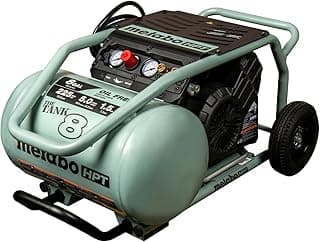
⭐ Best Premium: Metabo HPT EC28M Quiet 1 Gal Portable Compressor