Buying Guide
Performance: PSI, flow rate, and compressor type
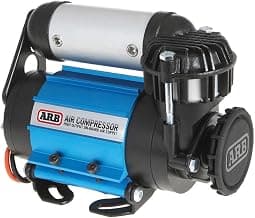
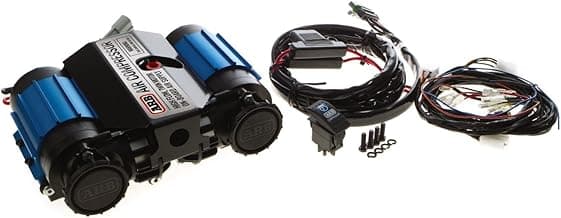
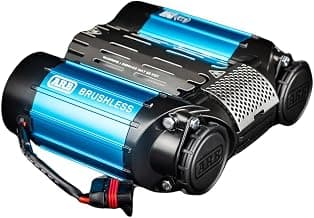
Start by matching the compressor’s performance to how you’ll use it. For inflating tires and topping off air springs you need steady pressure and reasonable flow; if you plan to run air tools or lockers, look for higher continuous output and robust duty cycles. Portable single compressors are fine for occasional tire inflation, while twin or high‑output units handle frequent or heavy-duty work. For example, the ARB CKMTA12 is often chosen where sustained output is important. Consider real‑world needs rather than headline numbers alone. See our best air compressor for air tools for options optimized for power tools.
Tank size and duty cycle
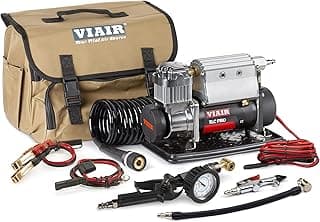
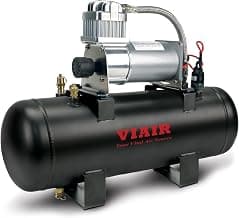
A built‑in tank smooths out compressor operation, reduces motor starts, and speeds up repeated inflation tasks. Larger tanks let the compressor rest between fills, which is helpful on long trips or when inflating multiple tires. Pay attention to the duty cycle and rated runtime-those determine how long the unit can run without overheating. If you want a ready‑to‑use on‑board tank system, systems that come with a tank and an integrated compressor are worth considering; for instance, the VIAIR Constant Duty OBA is an example of a packaged tank/compressor solution. For a broader look at built-in systems, check our best on board air compressor resources.
Controls, monitoring, and convenience features
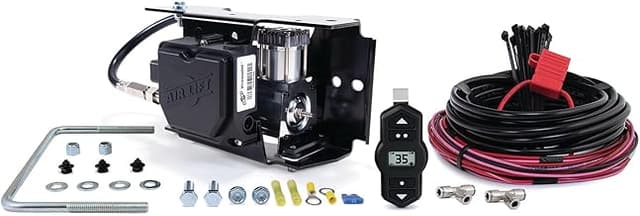
Good controls and gauges make a big difference in everyday use. Look for clear pressure gauges, easy access drain valves, and reliable pressure switches. If you value remote monitoring or one‑button adjustments, wireless or app‑enabled systems let you manage pressure from the cab-handy for air suspension or frequent load changes. Products with user‑friendly control interfaces reduce guesswork and improve safety on the road.
Installation, compatibility, and wiring
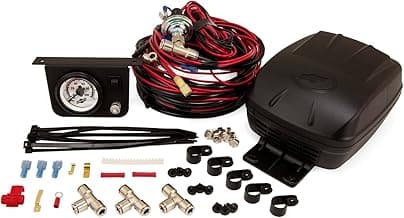
Confirm that the system fits your vehicle and your skill level for installation. Check mounting space, hose routing, and where the compressor will draw power. On‑board systems require proper fusing, heavy‑gauge wiring, and a solid chassis ground; some kits include wiring harnesses and mounting brackets to simplify installation. If you’re not comfortable with vehicle electricals, factor in professional installation costs when comparing value.
Durability, noise, and long‑term value
Look for rugged construction, corrosion‑resistant fittings, and a reputation for longevity-especially if you use the compressor off‑road or in wet conditions. Noise level can impact usability; constant loud operation becomes tiresome, so quieter, well‑shielded units are more pleasant for regular use. Compare warranty terms and read real user feedback on longevity rather than relying solely on price. Budget kits can be great for occasional use, while higher‑end systems generally pay off for frequent or heavy users. For durable units designed for tough work sites, consider our guide on the best jobsite air compressor.
FAQ
What's the best on board air compressor for long continuous use?
For long continuous use look for a constant-duty compressor with a dedicated tank, good cooling, and a high-duty-cycle motor so it can run without frequent cooldowns. Larger tanks reduce how often the compressor has to cycle, and thermal protection or automatic shutoffs protect the motor during heavy use. Professional-grade units designed for offroad and suspension work usually have sturdier internals and better sealing than small portable pumps. A solid example is the VIAIR 450C Onboard Air System, which is built around a constant-duty compressor and a sizable tank for extended runs.
Should I choose a portable compressor or a permanent onboard system?
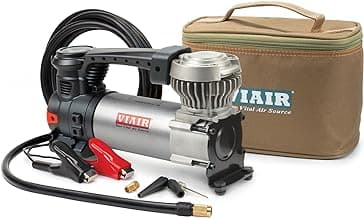
Choose based on how often and where you’ll need compressed air: portable compressors are great for occasional tire inflation and emergency use because they’re easy to store and move between vehicles. Permanent onboard systems win if you regularly use air suspension, lockers, or pneumatic tools since they offer faster response, mounted fittings, and cleaner wiring. Onboard setups require time to install but give you air on demand without unpacking gear, while portables cost less upfront and avoid permanent wiring. Consider frequency of use, available space, and whether you need simultaneous air outlets when deciding. If looking for portable options, check our best portable air compressor guide to see top picks.
Are expensive onboard air compressors worth the extra cost?
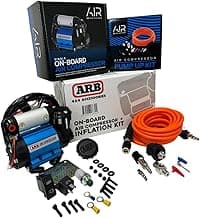
Higher-priced onboard compressors often deliver better durability, longer duty cycles, and more consistent airflow under load, which matters if you run them frequently or for heavy tasks. You’ll typically pay more for features like twin compressors, higher-quality valves, better mounts, and more robust thermal protection. If you only inflate tires occasionally, a budget unit may be fine, but serious offroaders and professionals usually recoup the cost through reliability and fewer failures. For a premium, proven option, consider the ARB 12V Twin Compressor which is built for heavy applications.
What features matter most when buying an on board air compressor?
Prioritize duty cycle (continuous vs. intermittent), airflow (CFM) at the PSI you'll use, and the tank capacity because these determine performance and how often the unit cycles. Other important features include automatic on/off control, pressure gauges or switches, reliable fittings and hoses, noise level, and built-in thermal protection. App control or wireless remotes can be convenient but are secondary to core performance and durability. Also check mounting options and warranty coverage to ensure the system fits your vehicle and offers support if something fails.
How hard is installation and what maintenance do onboard compressors need?
Installation difficulty ranges from straightforward bolt-on kits to complex installs requiring routing air lines, wiring a relay and fuse, and mounting a tank securely; many manufacturers include vehicle-specific instructions to simplify the process. Basic maintenance includes draining the tank periodically, checking and tightening fittings, inspecting electrical connections, and cleaning or replacing inlet filters as recommended. Listen for unusual noises or excessive heat and test the safety valve and pressure switch regularly to catch issues early. If you’re not comfortable with wiring or fuel-system proximity, having a shop do the install is a sensible choice.
Final Verdict
Top performers separated themselves through durable construction, consistent pressure delivery, and user-friendly controls-whether app-based or simple wired switches. Buyers should prioritize duty cycle, tank capacity, PSI rating, noise level, and ease of installation and serviceability. The best models combined a robust compressor with adequate tank volume or twin units, solid mounting hardware, and intuitive controls for reliable inflation and long-term durability.
🏆 Best Overall: Air Lift WirelessOne 2nd Gen On-Board Compressor
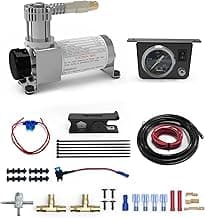
💰 Best Budget: maXpeedingrods On-Board Air Compressor Kit with Gauge
⭐ Best Premium: VIAIR Constant Duty 450C Onboard Air System 2.5 Gal