Buying Guide
Tank size and airflow (CFM) - match capacity to the job
For single-stage compressors the tank volume and the compressor’s airflow (CFM at a given PSI) determine how long you can run a tool before the motor needs to refill the tank. Choose a larger tank and higher CFM if you plan to run framing nailers, impact wrenches, or air sanders for extended periods; smaller tanks are fine for brad nailers, staplers, and inflation tasks. When comparing models, look at the CFM rating at the PSI you’ll use most and the recovery time between firings.
- Avoid buying by tank size alone - a well-sized motor with decent CFM and a 20-30% duty cycle can outperform a bigger tank with weak airflow.
- Example: for heavier shop work, consider a larger Big Bore model like the Makita MAC5200 as an example of a machine designed for higher-demand tasks.
Motor power and duty cycle - sustained use vs occasional bursts
Horsepower and duty cycle tell you how hard and how long a compressor can run. For intermittent home use a small motor with a low duty cycle is usually sufficient. For contractor or shop work look for a higher-duty-cycle unit that can run longer without overheating. Match the compressor’s intended duty to your work pattern rather than assuming bigger is always better.
- Duty cycle is often expressed as a percentage - a higher percentage means the compressor can run longer before resting.
- If you plan continuous or near-continuous tool use, prioritize a model built for higher duty over one sized only for tank capacity.
Portability and noise - where you’ll use it matters
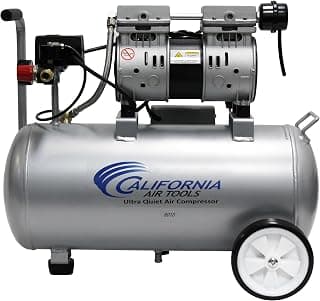
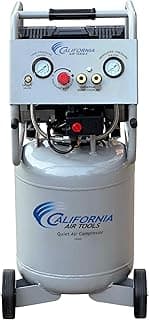
Consider weight, form factor and sound level. Pancake and twin-stack compressors are compact and easy to move, while wheelbarrow or twin-tank designs balance mobility with larger tanks. Noise matters in a shared workspace or residential area: ultra-quiet, oil-free models reduce fatigue and neighbor complaints.
- For light, portable tasks and inflation use, compact quiet units are a practical choice - for example the Metabo HPT Quiet EC28M illustrates the sort of compact, low-noise compressor worth considering for near-house use.
- If you’ll move the compressor around a job site, check handles, wheel quality and overall weight before purchasing.
Durability and maintenance - oil-free vs oil-lubricated and serviceability
Durability depends on pump construction, materials and how easy the unit is to service. Oil-lubricated pumps can last longer under heavy use but typically need scheduled oil changes and more maintenance. Oil-free pumps are lower maintenance and ideal for intermittent use or indoor work where oil carryover is a concern. Also check parts availability and the manufacturer’s support reputation.
- Look for sturdy tank finishes, quality fittings, and accessible filters/drain valves - these small details affect long-term reliability.
- If you expect years of heavy use, prioritize models with user-serviceable parts and a good service network.
Controls, fittings and overall value - what’s in the box
Practical features can make a compressor much easier to use day to day. Look for reliable pressure gauges, a decent regulator, quick-connect couplers, a drain valve that’s easy to operate, and any included accessories. Compare warranty, intended use and the total package rather than the headline price to determine value.
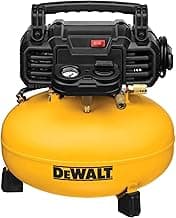
- For a versatile shop or garage unit, pancake-style compressors often provide a balanced feature set and compact footprint - for instance, a versatile pancake model like the DEWALT Pancake 6-Gallon (DWFP55126) is a common example of a practical, all-purpose option.
- Decide which accessories (hose, quick couplers, inflator attachments) you need up front - getting everything at once can be cheaper and more convenient than retrofitting later.
FAQ
What is a single stage air compressor and when should I choose one?
A single stage air compressor uses one compression stroke to fill the tank, which keeps the design simple and reliable. Choose one if you need a unit for general shop tasks like inflating tires, running brad or framing nailers, and intermittent pneumatic tools. They’re usually more compact and cost-effective than two-stage models, making them a good fit for home garages and light commercial use. If you need continuous high-pressure or heavy industrial duty, a two-stage model might be a better choice. For more information, check our best 2 stage air compressor for home garage guide.
How do I pick the best single stage air compressor for garage use?
Match the compressor’s CFM rating at the PSI your tools require, and choose a tank size that balances run time with portability-larger tanks give longer tool run but add weight. Look at motor horsepower, duty cycle, and whether the unit is oil-lubricated (better longevity) or oil-free (lower maintenance). For a reliable all-around option, consider the Makita MAC2400, which many buyers favor for shop work. Finally, check noise, warranty, and parts availability before you buy. Also useful is our comparison on best small air compressor choices for garages.
Are single stage compressors noisy and which models are quiet enough for home use?
Noise varies by design and motor type; pancake and small portable compressors usually run louder than models built with noise reduction in mind. If you need a quiet unit for a home garage or basement, look for advertised dBA levels-some ultra-quiet portable compressors run around 59 dB. A compact example to consider is the Metabo HPT Quiet Air Compressor (EC28M), which is marketed for low-noise operation. Also factor in where you’ll place the compressor, as distance and barriers reduce perceived sound.
How long do single stage air compressors last and what affects their lifespan?
With proper care, a good single stage compressor can last many years; heavy-duty, oil-lubricated units typically outlast cheaper oil-free models. Lifespan depends on usage frequency, duty cycle, maintenance habits, and build quality. Operating in clean, cool environments and avoiding frequent short-cycling will also improve longevity. When shopping, consider brand reputation and availability of replacement parts to extend usable life. For industrial-strength options, see our best industrial air compressor reviews.
What basic maintenance should I perform on a single stage air compressor?
Drain the tank daily or after each use to remove moisture and prevent rust, and inspect hoses and fittings for leaks before every session. If your compressor is oil-lubricated, check and change the oil per the manufacturer’s schedule; clean or replace the air filter regularly on any model. Test the safety valve periodically and tighten any loose fasteners, and follow the owner’s manual for belt checks or other model-specific tasks. Regular maintenance keeps performance steady and helps avoid costly repairs down the road.
Final Verdict
After testing the field, the strongest single-stage compressors stood out for consistent pressure delivery, sensible tank/CFM balance, quiet durable pumps, and user-focused controls like automatic shutoff and quick couplers. Prioritize real CFM at working PSI, tank capacity, noise level, portability, and build quality when choosing. The best performers combined reliable pressure, serviceable construction, and straightforward controls-features that translate to dependable day-to-day use on the jobsite or in the garage.
🏆 Best Overall: DEWALT DCC020IB 20V MAX Portable Tire Inflator
💰 Best Budget: Makita MAC700 Big Bore 2.0 HP Air Compressor
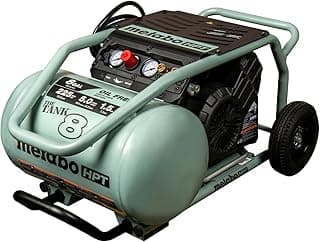
⭐ Best Premium: Metabo HPT EC914S THE TANK 6-Gallon Pancake Compressor