Buying Guide
Tank size and duty cycle - match capacity to your work
For vertical air compressors the tank size is often the most visible spec, and it has an outsized effect on how long the tool will run before the motor kicks back on. Larger tanks hold more compressed air so you get longer bursts of continuous flow for framing nailers, spray guns or repeated inflation. Smaller tanks refill faster and are lighter, which can be better for occasional shop use or mobile work.
- Think about typical job length: light finish work can use 1-6 gallon tanks, whereas a busy small shop or contractor often benefits from 20-60 gallon vertical tanks.
- Consider duty cycle (how long the motor can run in a given time): if you’ll be pulling long, continuous airflow, a bigger tank and higher duty cycle reduce motor stress and heat buildup.
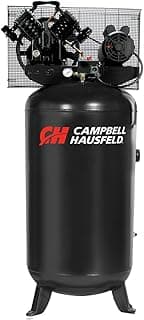
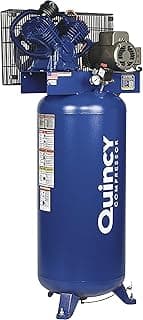
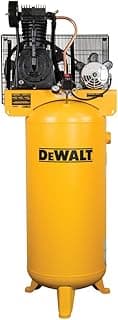
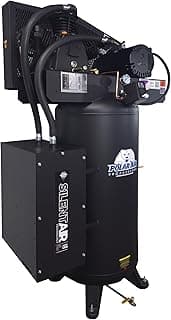
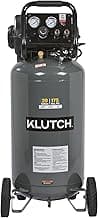
- Example: if you want a shop-ready vertical tank, a 60-gallon unit like the Klutch 60-Gallon Single-Stage Vertical Air Compressor is the kind of capacity that keeps larger pneumatic tools running without constant motor cycling.
CFM and PSI - the true measure of performance
Tank size matters, but the real determinant of whether a compressor will run a particular tool is airflow (CFM) at a given pressure (PSI). Manufacturers usually rate CFM at 90 PSI; match that to the CFM requirement of your tools rather than relying on tank size alone.
- Light tools (brad nailers, inflators) often need under 2-3 CFM. Finish nailers and small impact wrenches typically require 3-5 CFM. Framing nailers, sanders and spray guns can need 6+ CFM.
- Higher maximum PSI gives headroom for air tools that spike pressure during use, but most common pneumatic tools run well at 90-120 PSI.
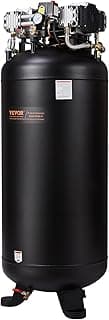
- If your work includes heavy duty applications, look at professional-grade compressors with higher sustained CFM-small shop-oriented models like the VEVOR 13-Gallon Air Compressor are often specified to highlight CFM at useful pressures.
Motor power, voltage and electrical requirements
Horsepower and motor type determine how quickly a compressor can refill its tank and how well it sustains pressure under load. For home garages a 120V motor is common and usually adequate; larger vertical tanks and shop compressors often require 230V and higher horsepower.
- Confirm the electrical supply at your worksite - a 230V, 3-5 HP unit may perform much better for heavy, sustained use but needs compatible wiring and a dedicated circuit. See our guide to the best 220v air compressor options if this fits your needs.
- Single-stage vs two-stage motors affect recovery time and maximum pressure. Two-stage pumps are more common on larger vertical tanks and for high-pressure applications. We review the best single stage air compressor models to help you compare.
- Runner-up shop-grade examples like the Makita MAC2400 2.5 HP Big Bore Air Compressor illustrate robust motor designs built for faster recovery and longer run cycles.
Portability, footprint and noise - what fits your workspace
Vertical compressors save floor space compared with horizontal tanks, but size, weight and noise still matter-especially in small shops, garages, or mobile setups. Look at caster/wheel options and overall footprint for where you’ll store and move the unit.
- Weight and handles: heavy vertical tanks offer capacity but can be difficult to relocate; wheels and lifting points help mobility.
- Noise: if you work indoors or in a residential area, quieter designs and sound-dampening features make a big difference. Noise ratings (measured in dB) give a useful comparison. For quieter options, check out our post on the best quiet air compressor.
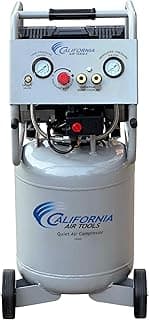
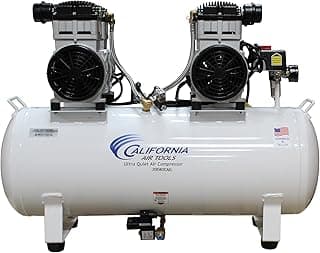
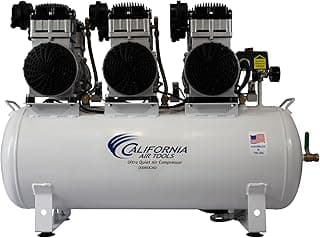
- Value example: if quiet operation and portability are priorities, compact, low-noise models such as the California Air Tools 20020 strike a balance between tank capacity and quieter running.
Maintenance, durability and warranty - buy for longevity
Consider whether the pump is oil-lubricated or oil-free, the quality of the tank and fittings, and the length and terms of the warranty. Oil-lubed pumps tend to run cooler and last longer under heavy use but require regular maintenance; oil-free pumps are low-maintenance and cleaner for occasional use.
- Materials and finish: thicker-gauge tanks, quality valves and stainless or brass fittings resist corrosion and extend service life.
- Serviceability: easily accessible parts, replacement kits and a strong dealer/support network simplify repairs and reduce downtime.
- Warranty and support: longer warranties and good customer service are especially valuable for shop or contractor use where downtime costs money.
FAQ
Which vertical air compressor is best for a home garage?
For most home garages you want a vertical tank with enough capacity for intermittent tool use and good recovery time. If you need a strong, ready-to-go upright option for both nailers and occasional shop tools, consider the Klutch 60-Gallon Single-Stage Vertical Air Compressor, which combines a large tank with a powerful motor. Smaller vertical models work fine for inflating tires and running brad nailers, while larger tanks reduce pump cycling for spray guns and framing tools. Match the compressor’s CFM at your working pressure to the tools you’ll run and prioritize durability if you plan frequent use.
How do I choose the right tank size for a vertical air compressor?
Tank size affects how long you can run a tool before the motor needs to refill the tank, so pick based on the type of work you do. Small tanks (under ~10 gallons) are fine for inflating tires and short bursts of fastening, while 20-60+ gallon tanks suit continuous jobs like painting or running multiple tools. Also consider the compressor’s CFM and motor power, because a small tank with high CFM can recover quickly. Think about where you’ll store it too-bigger tanks need more space and often 240V power.
What features matter most when buying a vertical air compressor?
Prioritize CFM at 90 PSI, tank capacity, and duty cycle so the compressor can handle your tools without constant cycling. Decide between oil-free pumps for lower maintenance and oil-lubed pumps for potentially longer life under heavy loads. Look for a reliable pressure regulator, quick couplers, easy-access drains, and a good warranty. Noise level and portability also matter if you’ll run it in a small garage or move it between jobs.
Are expensive vertical air compressors worth the extra cost?
Higher-priced units often use better materials, stronger pumps, and more robust motors, which can mean longer life and fewer repairs for heavy users. If you run tools all day or need consistent pressure for painting or production work, investing more usually pays off in reliability and lower downtime. For occasional DIY use, a midrange model can give the best value. Always weigh the warranty and parts availability alongside initial cost.
How much assembly and maintenance does a vertical air compressor require?
Assembly is usually minimal-attach wheels or feet, hook up the regulator and hose, and connect power according to the manual. Regular maintenance includes draining the tank to remove moisture, checking and replacing air filters, inspecting fittings for leaks, and changing oil if the compressor is oil-lubed. Follow the manufacturer’s schedule for belt or valve checks and keep a log of service to extend lifespan. Proper placement and routine checks will prevent most common problems.
Final Verdict
After testing capacity, duty cycle, noise, portability and build quality across multiple models, the strongest compressors stood out for reliable CFM at working PSI, solid tank size, quiet motors and durable pumps. Buyers should prioritize usable CFM at your tool’s operating pressure, tank capacity, noise level, and serviceability. The top performers combined rugged construction, consistent pressure delivery and sensible ergonomics-features that deliver long-term value whether you’re inflating tires, running nailers, or powering shop tools.
🏆 Best Overall: DEWALT DCC020IB 20V MAX Tire Inflator with Auto Shut Off
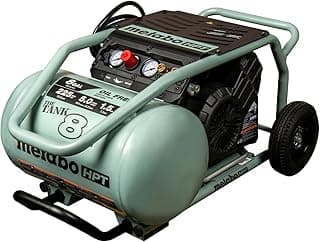
💰 Best Budget: Metabo HPT EC914S THE TANK 6-Gallon Pancake Air Compressor
⭐ Best Premium: Metabo HPT EC28M Quiet 1-Gallon Oil-Free Air Compressor